
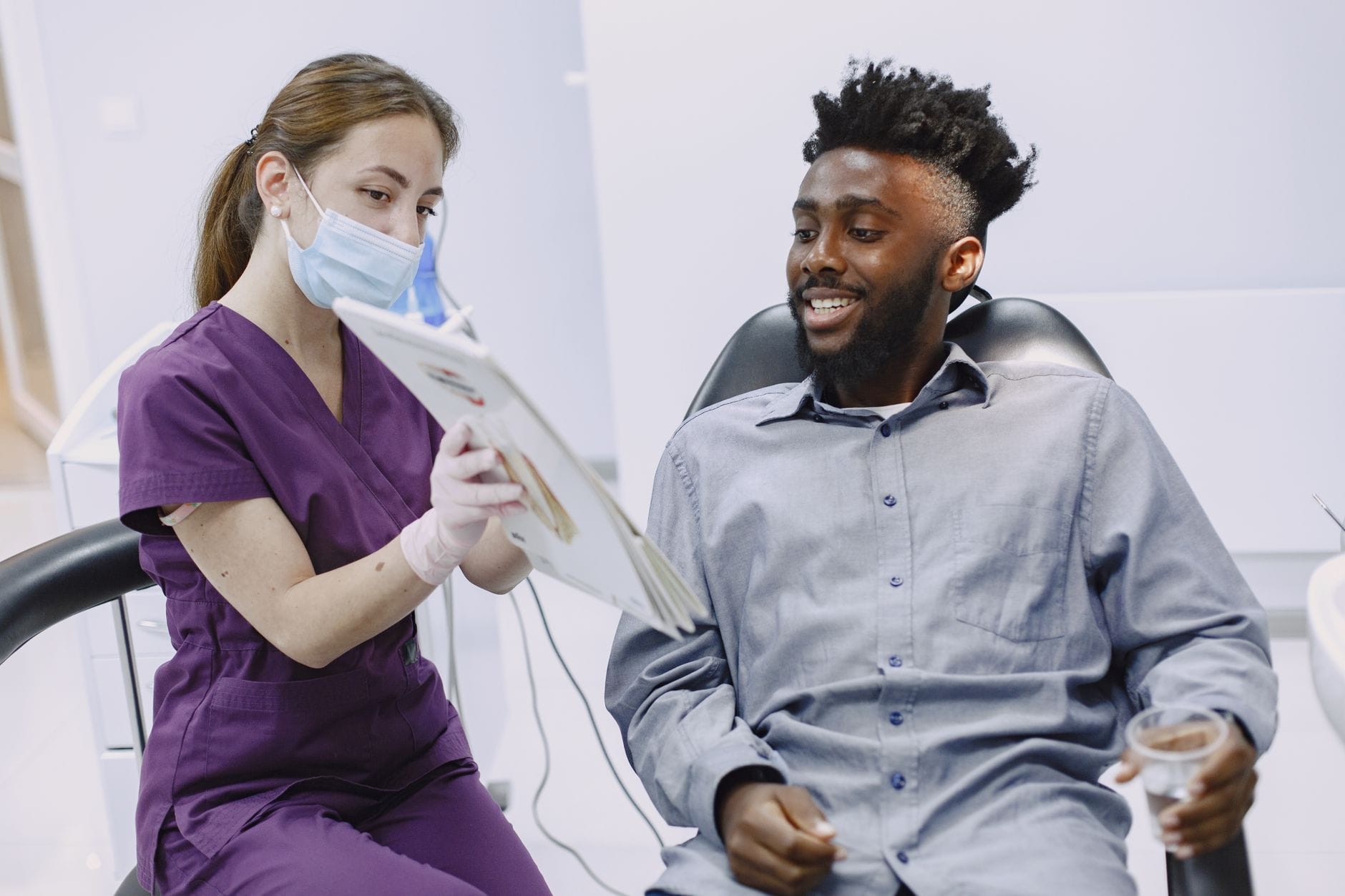
Most people don’t prepare a list of questions before visiting the dentist.
You sit in the chair, have your teeth examined, listen to the recommendations, and head home. Then, somewhere between the dental office and your front door, you remember everything you meant to ask.
“Why is that tooth sensitive?”
“Am I brushing correctly?”
“Does that filling need to be replaced?”
“Is there anything I should be doing differently?”
Dental appointments shouldn’t be one-sided conversations. Asking questions can help you understand what’s happening with your teeth, why certain treatment may be recommended, and what you can do between visits to protect your oral health.
When visiting a family dentist Uxbridge residents trust, consider bringing a few questions with you. Here are ten useful ones that can make your next dental visit more productive.
1. How Healthy Are My Teeth and Gums Right Now?
Start with the big picture.
Instead of only asking whether you have cavities, ask your dentist how your overall oral health looks.
Your dental team may be evaluating more than individual teeth, including your gums, existing restorations, areas of wear, bite, and changes since previous appointments.
Ask whether there are areas that need treatment, should be monitored, or deserve extra attention at home.
Ask About Priorities
If several concerns are identified, you can also ask:
- Which issue should I address first?
- Is anything urgent?
- What can be monitored?
- What changes should I watch for?
Understanding priorities can make dental care feel much more manageable.
2. Am I Brushing Effectively?
Brushing twice a day is important, but frequency isn’t the entire story.
Technique matters.
You may brush consistently while repeatedly missing the same area. You may also be using more pressure than necessary.
Ask your dentist or hygienist whether they notice patterns that suggest your brushing routine could improve.
For example, you might need to spend more time around certain teeth or adjust how you brush near the gumline.
Personalized feedback is much more useful than simply hearing, “Brush better.”
3. Am I Cleaning Between My Teeth Properly?
A toothbrush can’t effectively reach every area between teeth.
That’s why interdental cleaning is an important part of a complete home-care routine.
If traditional floss is difficult to use or you have dental work that makes certain areas challenging, ask about appropriate options.
The best method is one that is suitable for your oral health and that you can use consistently.
Don’t Be Embarrassed if You Don’t Floss Regularly
Be honest.
Telling your dental team that you floss every night when you actually floss once a month doesn’t help anyone.
Instead, say:
“I’m struggling to make this part of my routine. What’s the easiest way to improve?”
That creates a useful conversation.
4. Why Is This Tooth Sensitive?
Sensitivity is common, but it shouldn’t automatically be ignored.
If one or more teeth react to cold, heat, sweets, brushing, or chewing, tell your dentist.
Try to explain exactly what happens.
Does the sensation disappear immediately?
Does it linger?
Is it always the same tooth?
Has it recently become worse?
Those details can help your dentist evaluate the concern.
There are multiple potential reasons for sensitivity, so professional evaluation is more reliable than assuming you know the cause.
5. Are My Fillings and Crowns Still in Good Condition?
Many adults have dental restorations that were placed years ago.
Because they become part of your everyday smile, it’s easy to forget about them.
But existing dental work should still be monitored.
During your visit, ask whether your fillings, crowns, or other restorations appear to be functioning as expected.
Mention any changes you’ve noticed, including:
- Rough edges
- New sensitivity
- Discomfort when chewing
- Food trapping
- Changes in appearance
- A restoration that feels different
This doesn’t necessarily mean the restoration needs replacement. It simply gives your dentist useful information to evaluate.
6. Am I Showing Signs of Grinding or Clenching?
You may clench your jaw without realizing it.
Some people do it while concentrating, driving, exercising, or feeling stressed. Others may grind their teeth during sleep.
Over time, certain patterns may become visible on the teeth.
Ask your dentist whether they notice unusual wear.
Changes Worth Mentioning
Tell your dentist if you’ve noticed:
- Flattened tooth edges
- Small chips
- Increasing tooth wear
- Jaw fatigue
- Morning jaw discomfort
- Changes in how your bite feels
These symptoms can have different explanations, so don’t diagnose yourself.
Instead, let your dentist evaluate what may be happening.
7. Is My Diet Affecting My Teeth?
You don’t need to give your dentist a detailed food diary, but discussing everyday eating and drinking habits can be useful.
Sometimes it’s not one particular food causing concern—it’s the pattern.
For example, frequently sipping sugary drinks throughout the day creates a different routine than occasionally having something sweet with a meal.
Ask whether any of your habits may be worth adjusting.
You might discuss:
- Frequent snacking
- Sugary drinks
- Sweetened coffee
- Energy drinks
- Sports drinks
- Water consumption
- Late-night eating habits
A family dentist Uxbridge families visit regularly can help patients understand how daily routines may influence their oral health without turning every meal into a complicated set of rules.
8. How Often Should I Schedule Dental Visits?
It’s common to assume that everyone needs exactly the same dental schedule.
In reality, appropriate dental care can depend on individual needs.
Your dentist may consider factors such as your current oral health, dental history, existing restorations, gum health, and other relevant concerns when recommending a schedule.
Instead of deciding for yourself that you can wait because nothing hurts, ask:
“When should I come back, and why?”
Understanding the reason behind the recommendation can make it easier to stay consistent.
9. What Can I Do to Improve My Smile?
Oral health should come first, but it’s completely reasonable to care about how your smile looks.
If something bothers you, bring it up.
You might be concerned about:
- Tooth discoloration
- Small chips
- Uneven tooth edges
- Gaps
- Worn-looking teeth
- Older visible dental work
- The overall appearance of your smile
You don’t need to walk into the appointment knowing which cosmetic procedure you want.
In fact, starting with the concern rather than the treatment can be helpful.
Say What You Want to Change
Instead of:
“I need veneers.”
Try:
“I don’t like the shape and color of these teeth. What options could I consider?”
That allows your dentist to evaluate the situation and explain appropriate possibilities.
Sometimes a conservative approach may be enough. Other concerns may require a different type of treatment.
10. What Should I Be Watching Between Appointments?
This is one of the most useful questions you can ask.
Your dentist sees your mouth during appointments.
You live with your teeth every day.
Ask whether there are specific areas you should monitor.
Maybe there’s a restoration your dentist wants to continue checking. Perhaps there’s an area of wear or a tooth that doesn’t currently require treatment but deserves attention.
Knowing what to watch for makes you a more active participant in your dental care.
Contact your dentist if you notice significant or persistent changes rather than waiting automatically for your next scheduled visit.
Questions Parents Should Ask About Family Dental Care
Parents often focus so much on getting everyone through the appointment that they forget to ask about home routines.
Consider asking your family dentist Uxbridge questions such as:
- Is my child brushing effectively?
- Does my child still need help or supervision?
- How can we improve our family’s brushing routine?
- What should we know about frequent snacking?
- Are there habits we should change?
- What dental changes should we expect as our children grow?
Advice that’s specific to your family is usually more helpful than trying to follow every dental tip you see online.
Don’t Be Afraid to Ask “Why?“
If treatment is recommended, it’s reasonable to understand why.
You might ask:
- What did you find?
- Can you explain the problem?
- Why are you recommending this treatment?
- Are there alternative options?
- How soon should it be addressed?
- What could happen if I wait?
- What should I expect during treatment?
- How should I care for the area afterward?
Asking questions isn’t challenging your dentist.
It’s participating in your healthcare.
Take Notes if You Need To
Dental information can be difficult to remember, particularly if several treatments or recommendations are discussed.
There’s nothing wrong with taking notes.
Before your appointment, create a short list on your phone of things you want to discuss.
During the visit, write down important recommendations or next steps.
This can be particularly useful for parents managing dental care for several family members.
Instead of trying to remember everyone’s instructions, you have something to refer to later.
Speak Up When Something Doesn’t Make Sense
Dental terminology can sound complicated.
If your dentist uses a term you don’t understand, ask for an explanation.
You shouldn’t leave your appointment confused about what was found or what you’re supposed to do next.
Good communication helps patients make informed decisions.
And the more comfortable you become asking questions, the easier future dental conversations may feel.
Make Your Dental Appointments More Valuable
A dental visit isn’t simply something to complete twice a year and forget.
It’s an opportunity to understand your oral health.
Ask about your teeth. Ask about your gums. Discuss sensitivity, existing restorations, changes you’ve noticed, home-care challenges, and anything about your smile that concerns you.
Working with a family dentist Uxbridge residents can communicate with openly helps turn dental care into an ongoing partnership rather than a series of disconnected appointments.
At Uxbridge Family Dental, patients can discuss their questions and concerns while receiving personalized guidance based on their individual dental needs.
You don’t need to become an expert in dentistry.
You simply need to understand your own smile well enough to make informed decisions about caring for it.