
Call today:

New Patients Call:

VISIT OUR OTHER LOCATIONS

Introduction: Dental crowns and bridges are popular restorative treatments designed to repair damaged teeth and replace missing ones. They play a crucial role in restoring the function, appearance, and health of your smile. At Uxbridge Family Dental, we offer high-quality crowns and bridges to help our patients achieve a healthy, functional smile. This blog will discuss the advantages of dental crowns and bridges and how they can benefit your oral health.

1. Understanding Dental Crowns and Bridges:

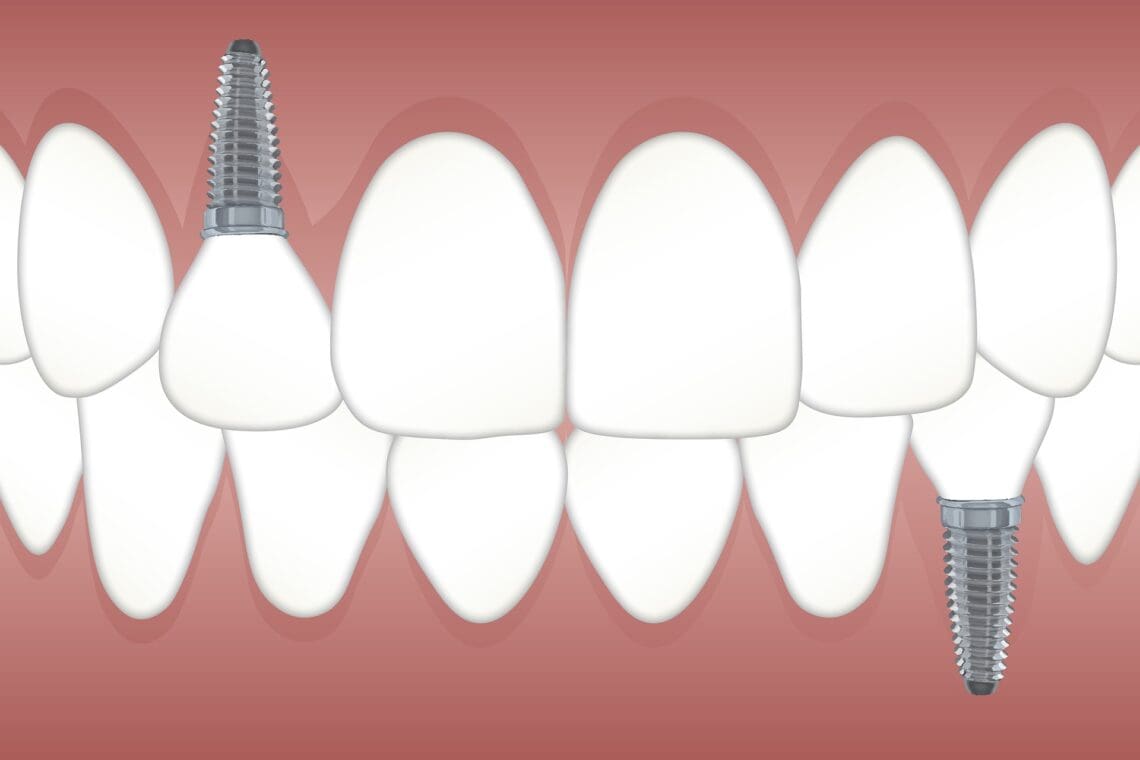
  • Dental Crowns: Crowns are caps placed over damaged or decayed teeth to restore their shape, size, strength, and appearance. They are made from various materials, including porcelain, ceramic, metal, and resin.
  • Dental Bridges: Bridges are used to replace one or more missing teeth. They consist of a false tooth (pontic) held in place by dental crowns on either side, which are attached to the adjacent healthy teeth.

2. Benefits of Dental Crowns:

  • Restores Tooth Function: Crowns restore the function of damaged teeth, allowing you to chew and speak properly.
  • Enhances Aesthetics: Crowns improve the appearance of your teeth by covering discoloration, chips, or cracks, providing a natural look.
  • Protects Weakened Teeth: Crowns provide strength and protection to weakened teeth, preventing further damage or decay.
  • Long-Lasting Solution: With proper care, dental crowns can last for many years, making them a durable option for tooth restoration.

3. Benefits of Dental Bridges:

  • Replaces Missing Teeth: Bridges fill the gap created by missing teeth, restoring your smile and preventing the remaining teeth from shifting.
  • Restores Oral Function: Bridges allow you to chew and speak more effectively, improving your overall oral function.
  • Maintains Facial Structure: Missing teeth can cause changes in facial structure. Bridges help maintain the shape of your face by preventing bone loss and supporting facial tissues.
  • Cost-Effective Solution: Compared to dental implants, bridges are a more affordable option for replacing missing teeth.

4. Choosing the Right Restorative Option:

  • Suitability: Crowns are ideal for teeth that are severely damaged but still intact, while bridges are best for patients missing one or more teeth in a row.
  • Oral Health: The health of your remaining teeth and gums will influence the choice between crowns and bridges. Your dentist will evaluate your oral health and recommend the most appropriate treatment.

5. The Procedure for Crowns and Bridges:

  • Consultation and Examination: The process begins with a consultation and thorough examination to assess your oral health and determine the best restorative option.
  • Preparation: For crowns, the damaged tooth is reshaped to accommodate the crown. For bridges, the adjacent teeth are prepared to support the bridge.
  • Impressions: Impressions of your teeth are taken to create custom-made crowns or bridges that fit perfectly.
  • Placement: The final crown or bridge is carefully placed and adjusted to ensure a comfortable fit and natural appearance.

Conclusion: Dental crowns and bridges are effective solutions for restoring damaged teeth and replacing missing ones. They offer numerous benefits, including improved function, aesthetics, and long-term oral health. At Uxbridge Family Dental, we are dedicated to providing high-quality restorative care to help you achieve a healthy, beautiful smile. Contact us today to learn more about our crowns and bridges and schedule a consultation.

No Comment
Read More

Introduction: Maintaining good dental health begins at home. While regular visits to the dentist are crucial, what you do daily to care for your teeth and gums has a significant impact on your overall oral health. At Uxbridge Family Dental, we believe in empowering our patients with the knowledge to practice effective home care. This blog will provide you with essential tips and practices for maintaining dental health through proper home care.

1. The Importance of Home Dental Care: Home dental care is the first line of defense against dental problems such as cavities, gum disease, and bad breath. A consistent routine of brushing, flossing, and using mouthwash helps keep your teeth and gums healthy and reduces the risk of dental issues.

2. Brushing Techniques and Tips:

  • Brush Twice a Day: Brush your teeth at least twice a day, preferably in the morning and before bed, using fluoride toothpaste to help strengthen tooth enamel and prevent cavities.
  • Use the Right Toothbrush: Choose a toothbrush with soft bristles that can reach all areas of your mouth. Replace your toothbrush every three to four months or sooner if the bristles are frayed.
  • Proper Brushing Technique: Use gentle, circular motions to brush the outer, inner, and chewing surfaces of each tooth. Don’t forget to brush your tongue to remove bacteria and freshen your breath.

3. Flossing for Comprehensive Cleaning:

  • Floss Daily: Flossing removes food particles and plaque from between teeth and along the gum line that a toothbrush can’t reach. Floss at least once a day to prevent cavities and gum disease.
  • Flossing Technique: Gently slide the floss between your teeth, curving it around each tooth and gently moving it up and down. Avoid snapping the floss, as this can damage your gums.

4. The Role of Mouthwash in Oral Hygiene:

  • Use an Antimicrobial Mouthwash: Mouthwash helps reduce plaque, gingivitis, and bad breath. Choose an antimicrobial mouthwash that targets bacteria and helps maintain a healthy mouth.
  • Rinse After Brushing and Flossing: Use mouthwash as the final step in your oral hygiene routine to wash away any remaining debris and freshen your breath.

5. Diet and Lifestyle for Healthy Teeth and Gums:

  • Limit Sugary and Acidic Foods: Sugary foods and drinks contribute to tooth decay, while acidic foods can erode enamel. Limit your intake of these foods and opt for healthier choices like fruits, vegetables, and dairy products.
  • Stay Hydrated: Drinking water helps wash away food particles and bacteria, and promotes saliva production, which is essential for maintaining oral health.
  • Avoid Tobacco Products: Smoking and using other tobacco products can lead to gum disease, tooth loss, and oral cancer. Quitting tobacco is crucial for maintaining oral health.

6. Regular Dental Check-Ups and Cleanings: Even with the best home care practices, regular dental check-ups and cleanings are necessary to maintain oral health. Professional cleanings remove plaque and tartar that brushing and flossing miss, and check-ups allow dentists to detect and treat issues early.

Conclusion: Maintaining good dental health starts with proper home care. By following these tips and maintaining a consistent routine, you can keep your teeth and gums healthy and prevent dental problems. At Uxbridge Family Dental, we are committed to helping our patients achieve optimal oral health through comprehensive care and education. Schedule your next check-up with us today to ensure your smile stays healthy and bright.
No Comment
Read More