Call today:

New Patients Call:

VISIT OUR OTHER LOCATIONS

Introduction

Oral health goes far beyond a beautiful smile; it plays a significant role in overall health. The mouth is a gateway to the body, and issues within it can impact other areas, potentially leading to serious health conditions. This guide explores the link between oral health and systemic health, emphasizing the importance of maintaining a healthy smile for overall wellness.

The Mouth-Body Connection

The mouth contains a variety of bacteria, both good and bad, which can influence health throughout the body. When oral hygiene isn’t maintained, bacteria can multiply, causing issues that extend beyond the mouth.

  • Gum Disease and Heart Health: Inflammation from gum disease has been linked to cardiovascular issues, as bacteria from the mouth can enter the bloodstream and contribute to plaque formation in arteries.
  • Diabetes and Oral Health: Poor oral health can make blood sugar levels more challenging to control, creating a reciprocal relationship between diabetes and gum disease.
  • Pregnancy Complications: Pregnant women with gum disease may be at a higher risk of premature birth or low birth weight, highlighting the importance of dental care during pregnancy.

How Oral Hygiene Supports Overall Health

Good oral hygiene practices prevent bacterial buildup and reduce the risk of infections that can affect systemic health. Essential steps include:

  • Brushing and Flossing Daily: Brushing and flossing remove plaque, bacteria, and food particles, keeping gums and teeth healthy.
  • Regular Dental Visits: Routine exams allow dentists to catch potential problems early, which helps prevent complications.
  • Avoiding Tobacco Products: Smoking and chewing tobacco increase the risk of gum disease, tooth decay, and oral cancer, as well as other health issues.

The Importance of Diet and Oral Health

A balanced diet supports oral health by providing essential nutrients like calcium, vitamin D, and phosphorus, which strengthen teeth and bones. Foods high in sugar and acids, however, can contribute to decay and erosion.

  • Calcium-Rich Foods: Dairy, leafy greens, and fortified foods provide calcium for strong teeth.
  • Vitamin C for Gum Health: Vitamin C-rich foods like oranges, strawberries, and peppers help maintain healthy gums.
  • Limit Sugary Foods and Drinks: Sugar contributes to plaque formation, which can lead to decay and gum disease.

Conclusion

Maintaining oral health is essential for overall wellness. Regular dental visits, good hygiene habits, and a healthy lifestyle all contribute to a bright smile and a healthy body, showing just how connected oral health is to general well-being.

No Comment
Read More

ke dental visits more comfortable, stress-free, and even enjoyable. This guide explores the causes of dental anxiety, the available options for managing it, and how patients can achieve a relaxed experience at every appointment.

What Causes Dental Anxiety?

Understanding the root causes of dental anxiety can help patients and dentists work together to create a more comfortable experience. Common causes of dental anxiety include:

  1. Previous Negative Experiences: Past experiences, especially involving discomfort or a lack of communication, can create fear around dental visits.
  2. Fear of Pain: Concerns about pain, whether during cleanings or procedures, is a major factor.
  3. Loss of Control: The feeling of vulnerability in the dentist’s chair can lead to anxiety, as patients may feel they can’t control the situation.
  4. Sensitivity to Sounds and Smells: The unique sounds and smells of a dental office can trigger anxiety for some patients.

Signs of Dental Anxiety

Patients with dental anxiety may exhibit symptoms such as sweating, racing heart, or even avoidance of dental appointments. Recognizing these signs can help patients take steps toward managing their anxiety.

Techniques for Managing Dental Anxiety

There are numerous strategies for reducing dental anxiety, from relaxation techniques to sedation dentistry options:

  1. Communication and Transparency: Open communication with the dentist about fears and concerns helps build trust and ensures the dentist can tailor the approach.
  2. Mindfulness and Deep Breathing: Practicing deep breathing exercises or mindfulness during the appointment can help lower stress levels.
  3. Sedation Options: Many practices offer sedation dentistry, including nitrous oxide (laughing gas), oral sedation, and IV sedation, to help patients relax during procedures.
  4. Distraction Techniques: Listening to music, watching TV, or focusing on relaxation apps can distract the mind from anxiety-inducing sounds or sensations.

Types of Sedation Dentistry

Sedation dentistry offers different levels of sedation, making it adaptable to each patient’s needs:

  • Nitrous Oxide: Also known as laughing gas, nitrous oxide is a mild sedative that helps patients feel relaxed and comfortable.
  • Oral Sedation: Patients take an oral sedative before the appointment, creating a deeper level of relaxation.
  • IV Sedation: Administered through an IV, this sedative provides deep relaxation, often causing patients to feel drowsy.
  • General Anesthesia: Used for more complex procedures, general anesthesia is a controlled unconscious state, ensuring the patient feels no sensation.

Building a Comfortable Dental Routine

Overcoming dental anxiety may take time, but a positive experience at each visit helps build confidence and trust with the dental team. Regular visits reinforce the importance of oral health, making dental care a routine part of life rather than a source of fear.

No Comment
Read More

Introduction

For patients looking to improve their smile, two of the most popular options are dental crowns and veneers. Both offer functional and cosmetic benefits, but they’re designed to address different dental needs. Crowns and veneers each have unique applications, costs, lifespans, and maintenance requirements. This guide provides an in-depth comparison to help you determine which option might best suit your needs, whether you’re dealing with damaged teeth, discoloration, or seeking an enhanced smile.

Understanding Dental Crowns

Dental crowns are caps that cover the entire tooth, designed to restore function, protect the tooth, and enhance aesthetics. They are often recommended for teeth that are damaged or structurally compromised due to decay, injury, or extensive previous dental work.

  • Material Options: Crowns are typically made from materials like porcelain, ceramic, metal, or porcelain-fused-to-metal, each offering different levels of durability and aesthetic appeal.
  • Uses of Crowns: Crowns are commonly used for severely damaged or decayed teeth, after root canal treatment, or for teeth that are too worn or broken to support a filling.
  • Lifespan and Durability: Crowns are designed to last 10-15 years or longer with proper care. Porcelain and ceramic crowns provide a natural appearance, while metal options are generally more durable.

How Crowns Are Applied

The process of placing a dental crown generally involves two appointments. During the first appointment, the dentist will reshape the tooth to fit under the crown and take an impression to create a custom-fit crown. A temporary crown may be placed while the permanent crown is being fabricated. At the second appointment, the permanent crown is cemented into place.

  • Preparation: The dentist prepares the tooth by reshaping it to accommodate the crown.
  • Impression: An impression of the tooth is taken to ensure the crown fits precisely.
  • Cementing the Crown: Once the permanent crown is ready, it is cemented in place and adjusted for comfort.

Understanding Dental Veneers

Veneers are thin shells placed on the front surface of teeth, primarily for cosmetic purposes. They’re ideal for minor aesthetic enhancements, such as covering discolored, slightly misaligned, or chipped teeth.

  • Material Options: Veneers are typically made of porcelain or composite resin. Porcelain veneers are more durable and stain-resistant, while composite veneers are a more affordable option.
  • Uses of Veneers: Veneers are commonly used for teeth with discoloration, minor alignment issues, gaps, or small chips that don’t affect tooth structure.
  • Lifespan and Durability: Porcelain veneers can last 10-15 years with good care, while composite veneers may have a shorter lifespan, usually around 5-7 years.

How Veneers Are Applied

Getting veneers usually requires two appointments. During the first appointment, the dentist removes a small amount of enamel from the front of the teeth to create space for the veneers. Impressions are taken, and temporary veneers may be placed. At the second appointment, the veneers are bonded to the teeth.

  • Preparation: The dentist removes a thin layer of enamel from the front of the teeth.
  • Impression: Impressions are taken to ensure the veneers fit and look natural.
  • Bonding: The veneers are cemented onto the teeth and polished for a seamless appearance.

Comparing Crowns and Veneers

While crowns and veneers have some similarities, they serve different purposes and are tailored to different dental situations. Here’s how they compare:

  • Coverage: Crowns cover the entire tooth, while veneers cover only the front surface.
  • Durability: Crowns are generally more durable, making them suitable for heavily damaged or decayed teeth, while veneers are best for minor cosmetic adjustments.
  • Cost: Crowns are often more expensive than veneers, given their complexity and durability.
  • Aesthetic Result: Both crowns and veneers can improve appearance, but veneers are generally preferred for purely cosmetic enhancements.

Which Option is Right for You?

The choice between crowns and veneers depends on the extent of the dental issue, budget, and desired outcome. Consultation with a dentist is essential to determine the best option based on the specific needs and goals of each patient.

No Comment
Read More

Introduction

Routine dental check-ups are essential for maintaining a healthy smile and preventing a range of oral health issues, from cavities and gum disease to more complex dental conditions. While some may see regular dental visits as optional, the reality is that these check-ups play a vital role in identifying and addressing issues early, saving both time and money in the long run. This comprehensive guide covers why routine check-ups are crucial, what to expect during an exam, and the benefits of making dental care a lifelong habit.

The Importance of Preventive Dental Care

Preventive dentistry focuses on keeping your teeth, gums, and overall oral health in optimal condition through regular maintenance rather than waiting until problems arise. The main goals of preventive care include:

  1. Early Detection of Issues: Dental exams allow dentists to spot problems before they become significant. This early intervention is critical in avoiding treatments like root canals, gum surgeries, or extractions, which may be necessary if problems are left untreated.
  2. Cost-Effective: Preventive care is generally less expensive than restorative treatments. Regular cleanings and exams can help prevent issues that would require costly solutions.
  3. Enhanced Quality of Life: Good oral health is linked to overall health and well-being. Dental issues, when unaddressed, can impact daily life by causing pain, difficulty eating, and self-consciousness.
  4. Promotion of Long-Term Habits: Routine check-ups encourage consistent oral hygiene habits, reinforcing the importance of daily care and providing patients with feedback on how to improve their routines.

What Happens During a Routine Dental Check-Up?

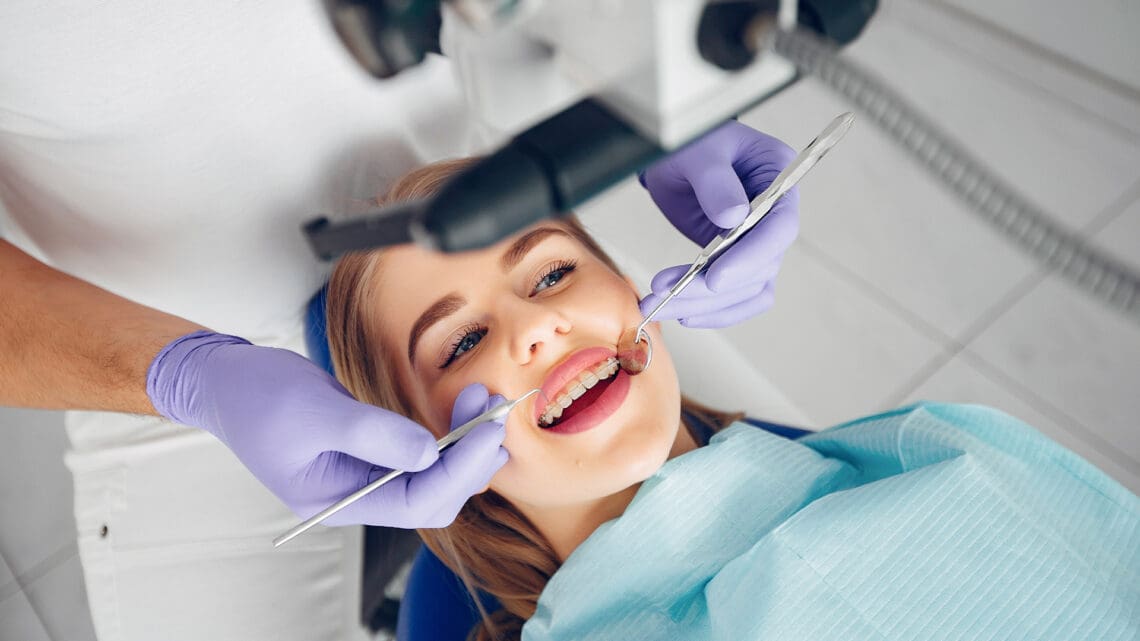
Understanding what happens during a check-up can help ease any anxiety and ensure that patients know what to expect. Typically, a routine dental appointment includes several key components:

  • Professional Cleaning: During the cleaning process, a dental hygienist will remove plaque and tartar buildup, which cannot be removed with regular brushing and flossing. This process includes scaling and polishing to leave the teeth clean and smooth.
  • X-Rays and Diagnostic Exams: X-rays are often taken once a year to provide a detailed look at the teeth, gums, and bone structure. These images help dentists spot cavities, bone loss, or other underlying issues that may not be visible during a routine exam.
  • Gum Health Assessment: The dentist or hygienist will evaluate gum health by checking for signs of gum disease, such as redness, swelling, or bleeding. This assessment is crucial as untreated gum disease can lead to tooth loss and other serious health issues.
  • Oral Cancer Screening: Early detection of oral cancer greatly improves treatment success. Dentists will check the tongue, throat, gums, and other soft tissues for any abnormal lesions, lumps, or discoloration.
  • Education and Personalized Recommendations: Dental check-ups are an opportunity to receive personalized advice on oral hygiene habits, such as brushing techniques, the best type of toothbrush, and how to maintain a healthy diet that supports oral health.

The Benefits of Regular Dental Cleanings

Regular dental cleanings go beyond just keeping your teeth looking good; they have significant health benefits as well. Cleanings help to:

  1. Prevent Gum Disease: Plaque and tartar buildup can lead to gum disease if not removed. Professional cleanings ensure that gums stay healthy and strong.
  2. Reduce Bad Breath: Persistent bad breath, or halitosis, is often due to bacteria buildup in the mouth. Cleanings help remove these bacteria, reducing bad breath.
  3. Protect Against Cavities: Cleanings remove plaque, the sticky film that can erode enamel and lead to cavities. Maintaining a cavity-free mouth is key to avoiding discomfort and complex treatments.
  4. Brighten the Smile: Cleanings remove surface stains from coffee, tea, and tobacco, leaving teeth looking whiter and fresher.

Common Myths About Routine Check-Ups

Despite the benefits, there are still misconceptions about dental check-ups that may cause people to skip them. Let’s debunk some common myths:

  • Myth 1: “I Don’t Need Check-Ups If My Teeth Don’t Hurt.”
    • Many dental issues, like cavities and gum disease, don’t cause pain in their early stages. Regular check-ups catch these issues before they become painful and problematic.
  • Myth 2: “Dental Cleanings Hurt.”
    • For most people, cleanings are painless. Hygienists are trained to perform cleanings gently, and for those with sensitive teeth, topical numbing gels are available to increase comfort.
  • Myth 3: “Dental Check-Ups Are Too Expensive.”
    • Many insurance plans cover preventive check-ups, and even without insurance, the cost of preventive care is often lower than the cost of restorative treatments needed when issues are neglected.

Frequency of Dental Check-Ups

Most dental professionals recommend biannual check-ups, but the frequency may vary based on individual needs. Patients with a higher risk of dental issues, such as those with gum disease, smokers, or diabetics, may require more frequent visits.

  • Children and Teens: Regular check-ups are crucial as young patients develop their dental habits and encounter issues like cavities due to high-sugar diets.
  • Adults: For adults, check-ups help maintain healthy gums and prevent issues like enamel wear, which can develop with age.
  • Seniors: Older adults may need check-ups more frequently to monitor age-related issues like gum recession, dry mouth, and oral cancer.

The Link Between Oral Health and Overall Health

Oral health is directly linked to overall health, as issues in the mouth can indicate or contribute to systemic health problems. For example:

  1. Heart Disease: Gum disease has been linked to cardiovascular conditions, as bacteria from the mouth can enter the bloodstream and contribute to plaque formation in arteries.
  2. Diabetes Management: Poor oral health can make it harder to control blood sugar, making dental care especially important for diabetics.
  3. Respiratory Health: Bacteria from the mouth can be inhaled, potentially leading to lung infections and respiratory issues.
  4. Pregnancy Health: Pregnant women with gum disease may face complications like premature birth or low birth weight, highlighting the importance of oral health during pregnancy.

Encouraging Children and Teens to Prioritize Check-Ups

Establishing a routine of dental check-ups early in life sets the foundation for lifelong oral health. Parents can help children become comfortable with dental visits by:

  • Starting Early: The American Dental Association recommends that children see a dentist by their first birthday or within six months of their first tooth erupting.
  • Making Dental Visits Fun: Creating positive associations, such as reading books about the dentist or planning a fun activity after the appointment, helps ease anxiety.
  • Practicing Good Habits at Home: Parents can reinforce the importance of brushing and flossing daily, making it a part of the family routine.

Improving Oral Hygiene Between Check-Ups

Good oral hygiene practices between check-ups are crucial for maximizing the benefits of routine visits. Here are some tips to maintain a healthy mouth:

  1. Brush Twice a Day: Use a fluoride toothpaste and brush for at least two minutes, focusing on all surfaces of the teeth.
  2. Floss Daily: Flossing removes plaque and food particles from between teeth, areas that brushing alone can’t reach.
  3. Limit Sugary Foods and Drinks: Sugar is a major contributor to cavities, so reduce consumption and rinse your mouth with water after sugary treats.
  4. Use Mouthwash: Antibacterial mouthwash can help reduce plaque and freshen breath.
  5. Replace Your Toothbrush Regularly: Change your toothbrush every three months or when the bristles appear frayed.

Final Thoughts

Routine dental check-ups are a simple but powerful tool in maintaining oral health. By prioritizing preventive care, individuals can enjoy a lifetime of healthy smiles, avoid painful and costly procedures, and protect their overall health.

No Comment
Read More