
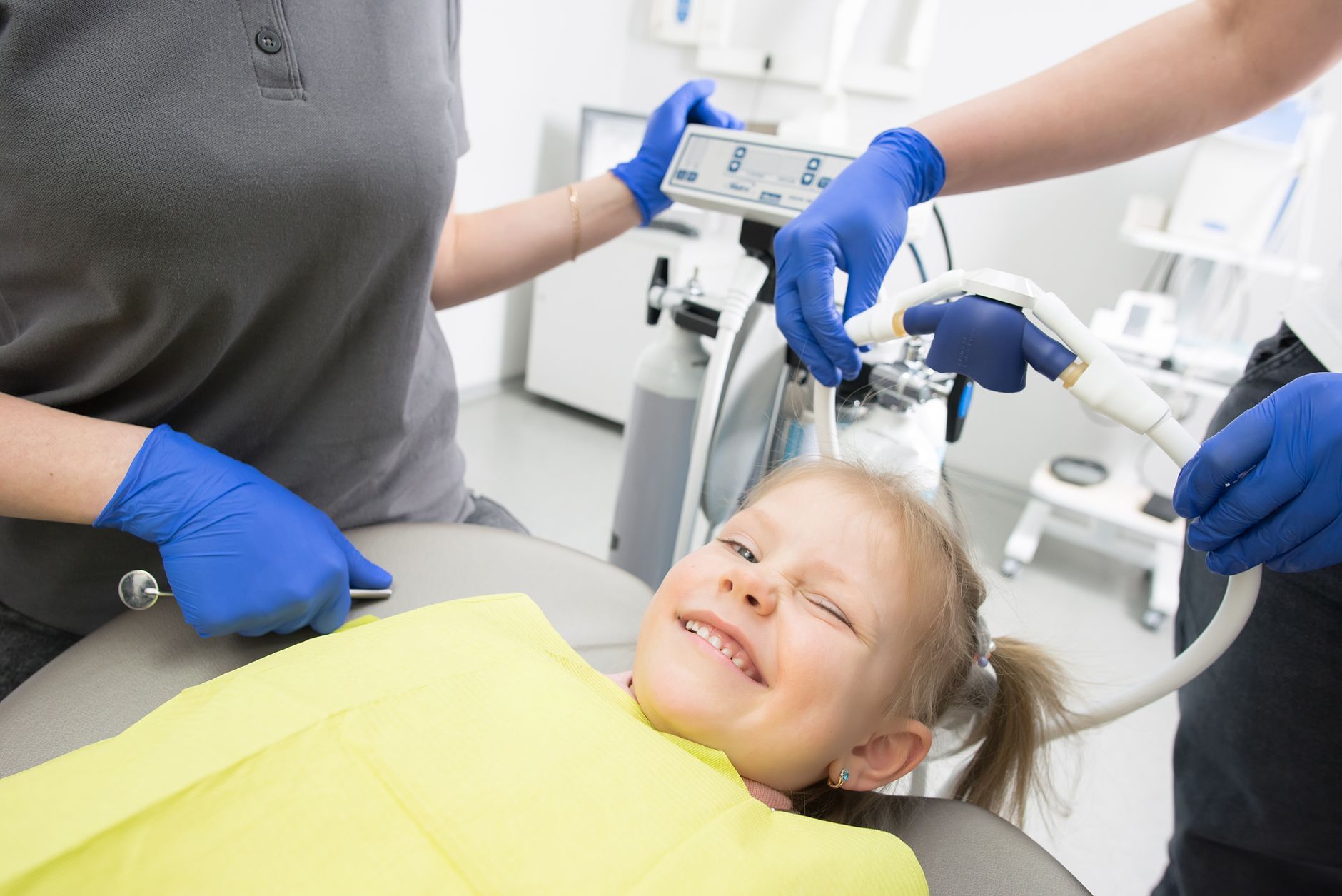
Your dental needs at age six are very different from your dental needs at sixty. A child might be learning how to brush independently, a teenager may be adjusting to braces, and a parent could be dealing with tooth sensitivity for the first time.
As we grow older, our teeth and gums experience changes that require different types of attention. What works for one family member may not be enough for another.
That’s why having a long-term approach to dental care matters.
Working with a family dentist Uxbridge residents can turn to for guidance makes it easier to understand these changing needs and develop appropriate dental habits for every generation.
From a baby’s first tooth to maintaining healthy teeth in retirement, here’s what families should know about oral health at every stage of life.
Dental Care for Babies: Building the Foundation
Oral health begins before a child has a full set of teeth.
Even during infancy, parents can take simple steps to support healthy dental development.
When Do Babies Get Their First Teeth?
Most babies begin developing visible teeth around six months of age, although the timing varies.
The lower front teeth are often among the first to appear.
By approximately age three, many children have their complete set of 20 primary teeth.
These early teeth play an important role in chewing, speech development, and maintaining space for permanent teeth.
When Should the First Dental Visit Happen?
The American Academy of Pediatric Dentistry recommends that children establish a dental home by their first birthday or within six months of the first tooth appearing.
An early visit gives parents an opportunity to discuss feeding habits, teething, fluoride, and cavity prevention.
Caring for Your Baby’s Teeth
Parents can support oral health by:
- Cleaning the gums gently before teeth appear.
- Brushing emerging teeth with a soft infant toothbrush.
- Using a rice-grain-sized smear of fluoride toothpaste.
- Avoiding putting babies to bed with bottles containing milk or sugary drinks.
- Asking a dentist about appropriate fluoride exposure.
These early habits help create a foundation for lifelong dental care.
Dental Care for Toddlers and Preschoolers
The toddler years are an important time for developing routines.
Children begin expressing independence, which can make brushing both entertaining and challenging.
Making Brushing a Positive Experience
Toddlers may resist brushing because they want to do everything themselves.
Allowing them to hold a toothbrush while a parent completes the cleaning can encourage cooperation.
Songs, timers, and positive reinforcement may also help.
Preventing Early Childhood Cavities
Primary teeth can develop cavities just like permanent teeth.
Frequent sugary snacks, sweetened drinks, and inadequate brushing increase the risk.
Parents should supervise brushing and limit frequent exposure to sugary foods and beverages.
Understanding Fluoride Toothpaste
For children younger than three, use a smear of fluoride toothpaste approximately the size of a grain of rice.
For children ages three through six, use a pea-sized amount.
Adults should supervise brushing to ensure children use the appropriate quantity and spit out excess toothpaste when able.
Dental Care for School-Age Children
As children enter elementary school, their dental development begins changing significantly.
Primary teeth gradually fall out, and permanent teeth start emerging.
The Importance of Permanent Molars
The first permanent molars often appear around age six.
These teeth emerge behind the primary molars rather than replacing them.
Because parents may not realize they are permanent teeth, they can sometimes receive less attention than necessary.
Dental Sealants for Cavity Prevention
Permanent molars have grooves that can trap food particles and plaque.
Dental sealants are thin protective coatings that may help prevent cavities on the chewing surfaces of suitable teeth.
A dentist can determine whether sealants are appropriate.
Teaching Independence Without Losing Supervision
School-age children gradually become better at brushing and flossing.
However, parents should continue checking their technique and helping when needed.
The goal is to build confidence while maintaining effective cleaning habits.
Dental Care for Teenagers
Teenagers face a unique combination of dental challenges.
Busy schedules, changing eating habits, sports participation, and orthodontic treatment can all influence oral health.
Managing Orthodontic Appliances
Braces and other orthodontic appliances can make cleaning more complicated.
Food particles and plaque may accumulate around brackets and wires.
Teenagers undergoing orthodontic treatment should follow the cleaning instructions provided by their orthodontist and dentist.
Understanding Wisdom Teeth
Wisdom teeth commonly begin developing during adolescence and may emerge in the late teenage years or early adulthood.
Not everyone needs wisdom teeth removed.
A dentist can monitor their development and recommend further evaluation when necessary.
Protecting Teeth During Sports
Teenagers who participate in contact sports or activities involving collision risks should consider appropriate mouth protection.
A properly fitted mouthguard can help reduce the risk of dental injuries.
Avoiding Harmful Habits
Frequent consumption of energy drinks, sugary beverages, and acidic snacks can increase the risk of enamel erosion and cavities.
Teenagers should also understand the oral health risks associated with tobacco and vaping.
Dental Care for Young Adults
Young adulthood often involves major lifestyle changes.
College, employment, relocation, and financial responsibilities can make routine dental care easier to overlook.
Don’t Skip Preventive Appointments
Even when teeth feel healthy, dental problems can develop without noticeable symptoms.
Regular examinations help identify concerns and support preventive care.
Pay Attention to Stress-Related Habits
Stress may contribute to jaw clenching or teeth grinding in some individuals.
Possible signs include jaw discomfort, headaches, and worn teeth.
A dental evaluation can help determine whether these symptoms are related to grinding or another condition.
Understand Cosmetic Treatment Options
Some young adults become interested in whitening, bonding, or other cosmetic procedures.
Before beginning elective treatment, it’s important to evaluate oral health and understand potential risks, limitations, and maintenance requirements.
Dental Care for Parents and Working Adults
Adults often prioritize their children’s appointments while postponing their own.
However, maintaining personal oral health is just as important as caring for younger family members.
For households looking for a family dentist Uxbridge families can consult about different dental needs, preventive care remains valuable throughout adulthood.
Watch for Gum Disease
Gum disease can develop gradually.
Possible warning signs include:
- Bleeding during brushing or flossing.
- Persistent bad breath.
- Swollen or tender gums.
- Gum recession.
- Loose teeth in more advanced cases.
Bleeding gums should not be considered a normal part of brushing.
A dentist can evaluate the cause and recommend appropriate care.
Protect Existing Dental Restorations
Fillings, crowns, and other restorations may eventually wear or become damaged.
Routine dental examinations allow your dentist to monitor their condition.
Avoid chewing hard objects and report any changes in comfort or function.
Consider the Effects of Daily Habits
Coffee, tea, tobacco, and acidic beverages can affect teeth over time.
A balanced diet, good oral hygiene, and regular dental care help reduce avoidable problems.
Dental Care During Pregnancy
Pregnancy can bring changes that affect oral health.
Hormonal changes may increase gum sensitivity and inflammation.
Some pregnant patients also experience nausea or vomiting, which can expose teeth to stomach acids.
Pregnancy and Gum Health
Pregnancy gingivitis may cause swollen or bleeding gums.
Maintaining good oral hygiene and attending appropriate dental appointments can help manage these concerns.
Managing Morning Sickness
After vomiting, rinse your mouth with water or a baking soda solution rather than brushing immediately.
Waiting before brushing can help reduce the risk of enamel wear.
Is Dental Care Safe During Pregnancy?
Routine and necessary dental care is generally considered safe during pregnancy.
Patients should inform their dental team about their pregnancy, medications, and relevant medical concerns.
Treatment decisions should be individualized.
Dental Care for Adults Over 50
As adults grow older, changes in oral health may become more noticeable.
However, tooth loss is not an inevitable part of aging.
Many people maintain their natural teeth throughout their lives.
Managing Gum Recession
Gums may recede because of periodontal disease, brushing habits, or other factors.
Exposed root surfaces can be more vulnerable to sensitivity and decay.
A dentist can evaluate recession and recommend appropriate care.
Understanding Dry Mouth
Dry mouth becomes more common with certain medications and medical conditions.
Saliva helps protect teeth by neutralizing acids and washing away food particles.
Reduced saliva can increase cavity risk.
If dry mouth becomes persistent, discuss it with your dentist or healthcare provider.
Monitoring Tooth Wear
Years of chewing, grinding, and exposure to acidic foods can contribute to tooth wear.
A dental examination can help identify whether the wear requires treatment or monitoring.
Dental Care for Seniors
Older adults may have unique dental needs involving natural teeth, restorations, dentures, or dental implants.
Maintaining oral health can support comfort, nutrition, and quality of life.
Caring for Dentures
Dentures require daily cleaning and proper maintenance.
Patients should follow their dentist’s instructions for cleaning and storage.
Dentures that become loose, painful, or difficult to use should be evaluated.
Maintaining Dental Implants
Dental implants require consistent oral hygiene and professional monitoring.
Although implants cannot develop cavities, the surrounding gum and bone tissues can still experience inflammation or disease.
Managing Physical Limitations
Arthritis and reduced hand coordination may make brushing and flossing more difficult.
Electric toothbrushes, floss holders, and other adaptive tools may help.
A dentist can recommend practical options based on individual needs.
How Family Dentistry Supports Long-Term Oral Health
Dental care is not simply about responding to problems.
It’s about understanding how oral health changes over time and adjusting preventive habits accordingly.
Consistent Dental Records
When patients maintain a long-term relationship with a dental practice, the team can monitor changes in oral health over multiple visits.
This may help identify developing concerns and support personalized recommendations.
Age-Appropriate Dental Education
Children need simple explanations and hands-on guidance.
Teenagers benefit from discussions about independence and lifestyle choices.
Adults may need support managing gum health, restorations, or dental sensitivity.
Older patients may require additional guidance about dry mouth, dentures, or physical limitations.
Individualized Appointment Schedules
Not every family member requires the same frequency of dental visits.
A dentist can recommend an appropriate schedule based on each patient’s oral health needs and risk factors.
Common Questions About Family Dental Care
Do Baby Teeth Really Matter If They Fall Out?
Yes. Primary teeth help children chew, speak, and maintain space for permanent teeth.
Untreated cavities in baby teeth can cause discomfort, infection, and other complications.
Can Teenagers Get Gum Disease?
Yes. Teenagers can develop gingivitis, particularly when plaque accumulates along the gumline.
Consistent brushing, flossing, and dental care are important.
Is Tooth Loss Normal as People Age?
Tooth loss becomes more common with age, but it is not inevitable.
Preventive care and timely treatment can help many adults maintain their natural teeth.
Can One Dental Practice Treat Multiple Generations?
Many family dental practices provide care for children, adults, and older patients.
However, services and age requirements vary, so families should confirm the practice’s capabilities.
Healthy Smiles Are a Lifelong Commitment
Every stage of life brings different dental needs.
Babies need help developing healthy oral habits. Children require guidance as their permanent teeth emerge. Teenagers benefit from preventive education, while adults and seniors may need additional attention to gum health, tooth wear, and restorations.
Understanding these changes helps families make informed decisions and avoid overlooking important dental concerns.
If you’re searching for a family dentist Uxbridge residents can contact for dental care, building a relationship with a dental team is a useful step toward long-term oral health.
At Uxbridge Family Dental, patients can discuss their dental concerns and learn about available services for their individual needs.
Give every generation in your family a reason to smile.
Contact Uxbridge Family Dental to ask about available family dental services and schedule an appointment.