
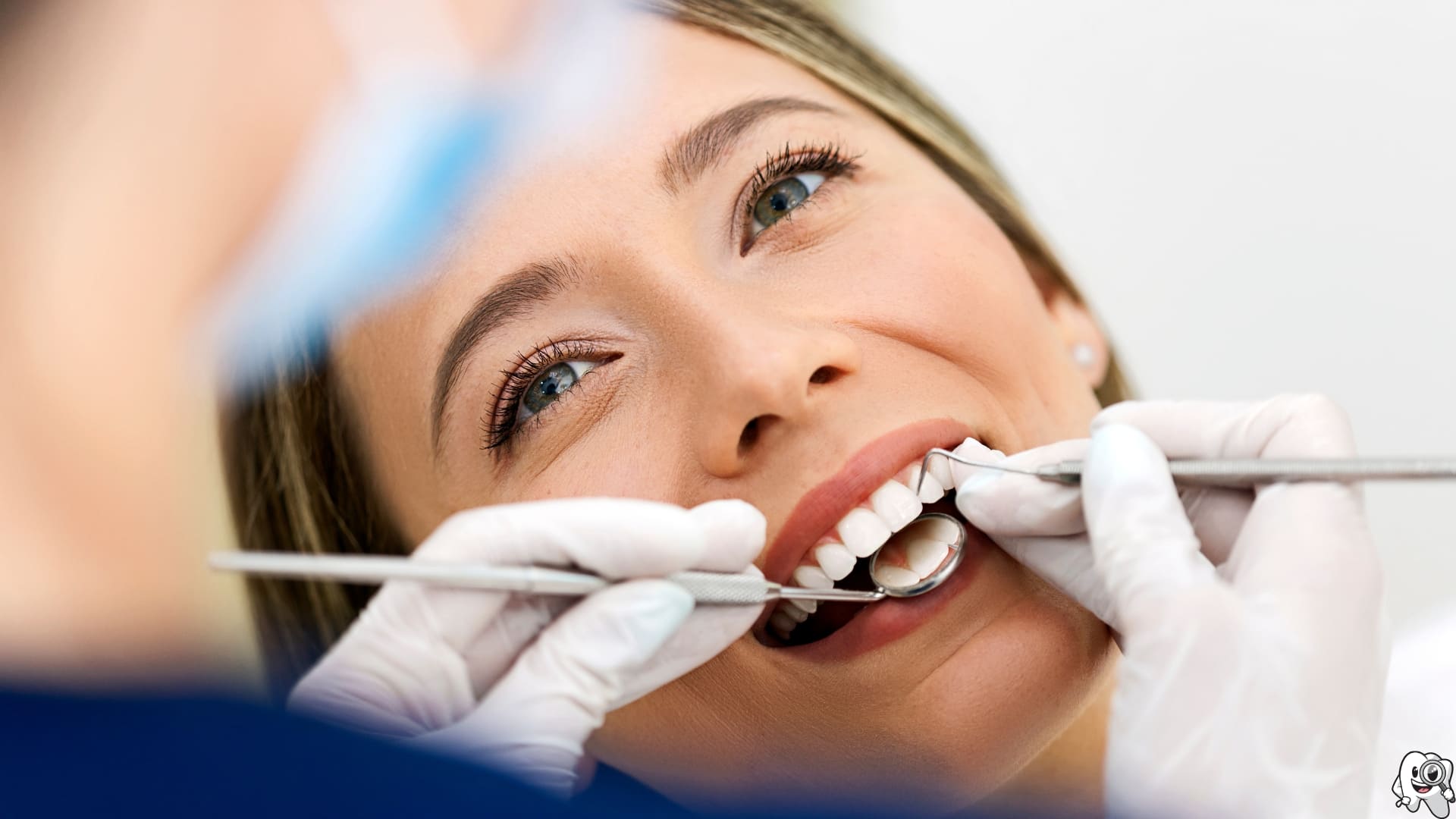
Oral health is essential to your overall well-being, yet many misconceptions about dental care persist, leading to confusion and sometimes harmful habits. At Uxbridge Family Dental, we believe that informed patients make the best decisions for their smiles. Let’s take a closer look at some of the most common dental myths and uncover the facts behind them to help you maintain a healthy, confident smile.
One of the most widespread myths is that brushing harder cleans your teeth better. In truth, aggressive brushing can damage your tooth enamel and irritate your gums, causing sensitivity and gum recession. The best approach is to use a soft-bristled toothbrush and gentle, circular motions to effectively remove plaque without harming your teeth or gums.
Another common misconception is that sugar alone causes cavities. While sugar feeds the bacteria in your mouth, which produce acids that erode enamel, it’s not the only factor. Frequent snacking, acidic foods, poor oral hygiene, and lack of fluoride also contribute significantly to tooth decay. Maintaining a balanced diet and consistent dental care is key to preventing cavities.
Many people believe they should stop brushing if their gums bleed. However, bleeding gums often indicate gum disease caused by plaque buildup. Instead of stopping, it’s important to continue gentle brushing and flossing while consulting your dentist to address the underlying issue and restore gum health.
Some assume that white teeth automatically mean healthy teeth. While a bright smile is attractive, it doesn’t guarantee good oral health. Cavities, gum disease, and enamel erosion can exist even if teeth appear white. Regular dental exams are crucial to detect these hidden problems early.
Flossing is sometimes seen as optional, but it plays a vital role in removing plaque and food particles between teeth where a toothbrush cannot reach. Skipping flossing increases the risk of cavities and gum disease, making it an essential part of your daily routine.
Another myth is that baby teeth don’t matter because they eventually fall out. In reality, primary teeth hold space for permanent teeth and aid in speech and chewing. Neglecting baby teeth can lead to infections, misalignment, and long-term dental issues.
Some believe mouthwash can replace brushing. Mouthwash can freshen breath and reduce bacteria but cannot remove plaque or food debris like brushing and flossing. It should be used as a supplement, not a substitute.
Chewing gum is sometimes thought to replace brushing. While sugar-free gum stimulates saliva production, which helps neutralize acids and wash away food particles, it cannot clean teeth thoroughly. Brushing and flossing remain necessary.
A dangerous misconception is that if you don’t feel pain, you don’t have dental problems. Many dental issues, including cavities and gum disease, can develop without pain in early stages. Regular dental visits help catch problems before they become severe.
Some think teeth alignment is purely cosmetic. Proper alignment is crucial for oral health. Misaligned teeth can cause difficulty cleaning, leading to plaque buildup, cavities, gum disease, uneven tooth wear, speech problems, and jaw disorders.
Brushing immediately after eating is another myth. Acidic foods temporarily soften enamel, and brushing too soon can damage it. It’s best to wait at least 30 minutes after eating before brushing and rinse your mouth with water in the meantime.
Lastly, many believe tooth loss is inevitable with aging. While older adults may face challenges, tooth loss is not a given. With good oral hygiene, regular dental care, and a healthy diet, you can keep your natural teeth for life.
At Uxbridge Family Dental, we are dedicated to providing you with accurate information and expert care to help you maintain a healthy, beautiful smile. Don’t let myths hold you back from the best dental habits. Schedule your next appointment with us and experience dental care based on facts and compassion.