
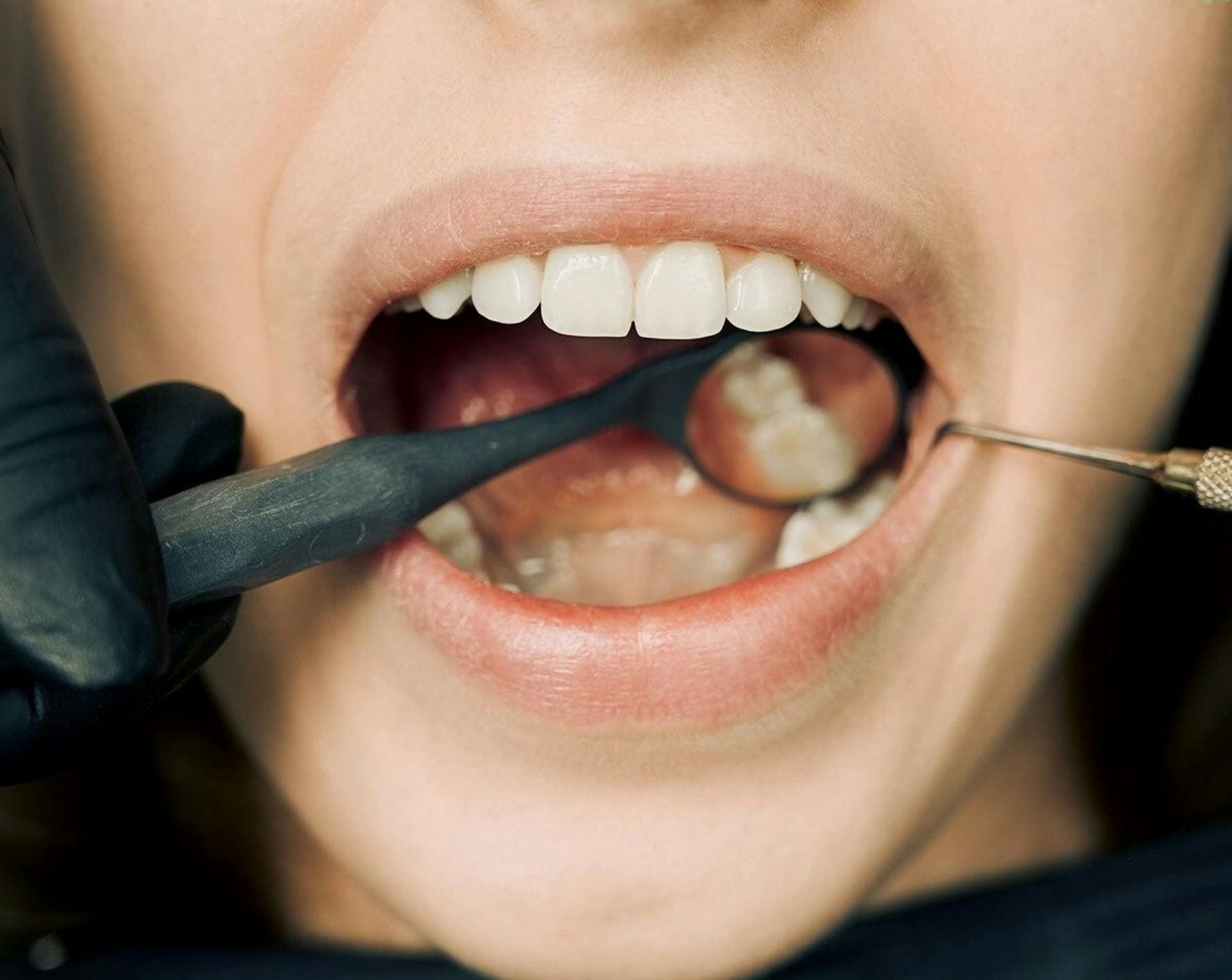
Dental emergencies can happen when you least expect them, causing pain, discomfort, or even panic. Whether it’s a sudden toothache, a broken tooth, or an accident that damages your mouth, knowing how to handle a dental emergency can make all the difference. In many cases, timely action can help alleviate pain, prevent further damage, and save your teeth.
In this comprehensive guide, we’ll explore common dental emergencies, how to manage them, and when to seek immediate professional care. By being prepared and informed, you can handle unexpected situations with confidence.
What Is a Dental Emergency?
A dental emergency involves any oral health issue that requires immediate attention to stop pain, prevent infection, or save a tooth. While some dental problems can wait for a scheduled appointment, others demand urgent care.
Common signs of a dental emergency include:
- Severe tooth pain that doesn’t go away
- Swelling in the gums, face, or jaw
- Bleeding that doesn’t stop
- A knocked-out or loose tooth
- Damage to a tooth, such as cracks, chips, or fractures
- Signs of infection, such as a bad taste in your mouth, pus, or fever
If you’re unsure whether your situation is a true emergency, it’s better to err on the side of caution and consult a dentist as soon as possible.
Common Dental Emergencies and How to Handle Them
1. Severe Toothache
A toothache can range from mild discomfort to excruciating pain, and it’s often a sign of an underlying problem, such as tooth decay, an abscess, or gum disease.
What to do:
- Rinse your mouth with warm salt water to reduce inflammation and clean the area.
- Use dental floss to gently remove any food particles stuck between your teeth.
- Apply a cold compress to the outside of your cheek to numb the pain and reduce swelling.
- Avoid taking aspirin directly on the gums, as it can cause irritation.
When to see a dentist:If the pain persists or is accompanied by swelling, fever, or a foul taste in your mouth, contact your dentist immediately.
- Knocked-Out Tooth
A knocked-out tooth (avulsed tooth) is one of the most time-sensitive dental emergencies. Acting quickly can increase the chances of saving the tooth.
What to do:
- Handle the tooth by the crown (the top part) and avoid touching the root.
- Rinse the tooth gently with water to remove dirt, but don’t scrub it or remove any tissue attached.
- If possible, place the tooth back into its socket and hold it in place with gentle pressure.
- If reinsertion isn’t possible, store the tooth in a container of milk or saliva to keep it moist.
When to see a dentist:Seek immediate dental care within 30 minutes to an hour for the best chance of saving the tooth.
3. Cracked or Broken Tooth
A cracked or broken tooth can cause pain and sensitivity and may expose the inner layers of the tooth to bacteria, increasing the risk of infection.
What to do:
- Rinse your mouth with warm water to clean the area.
- Apply a cold compress to reduce swelling.
- If possible, save any pieces of the tooth and bring them to your dentist.
When to see a dentist:Visit your dentist as soon as possible to evaluate the damage and determine the appropriate treatment, such as bonding, a crown, or a root canal.
4. Dental Abscess
A dental abscess is a pocket of pus caused by a bacterial infection, typically resulting from untreated tooth decay, gum disease, or a cracked tooth. Abscesses are serious and can spread to other parts of the body if not treated promptly.
What to do:
- Rinse your mouth with warm salt water several times a day to reduce pain and draw out pus.
- Avoid pressing on the abscess, as this can worsen the infection.
- Take over-the-counter pain relievers for temporary relief.
When to see a dentist:Contact your dentist immediately if you suspect an abscess. Signs include severe pain, swelling, fever, or a pimple-like bump on your gums.
5. Lost Filling or Crown
Losing a filling or crown can leave your tooth vulnerable to damage or sensitivity.
What to do:
- Keep the area clean by rinsing with warm water.
- Apply dental cement or toothpaste to temporarily secure the crown back in place.
- Avoid chewing on the affected side until the issue is resolved.
When to see a dentist:Schedule an appointment promptly to have the filling or crown replaced.
6. Broken Braces or Wires
Orthodontic emergencies, such as a broken wire or bracket, can cause discomfort and damage the soft tissues in your mouth.
What to do:
- Use orthodontic wax to cover any sharp edges that are causing irritation.
- If a wire is poking into your cheek or gums, use a clean pair of nail clippers to trim it carefully.
When to see a dentist:Contact your orthodontist to have the issue repaired as soon as possible.
7. Bleeding Gums
While minor gum bleeding is often caused by brushing too hard or gum inflammation, persistent or excessive bleeding may indicate a more serious problem.
What to do:
- Rinse your mouth with warm salt water.
- Apply gentle pressure with a clean gauze pad to stop the bleeding.
When to see a dentist:If bleeding doesn’t stop after 10 minutes or is accompanied by swelling or pain, seek immediate care.
When to Visit the Emergency Room
While most dental emergencies can be handled by a dentist, certain situations may require a trip to the emergency room:
- Severe facial swelling that affects breathing or swallowing
- Uncontrollable bleeding
- Trauma to the face or jaw that causes significant injury
How to Prevent Dental Emergencies
While accidents can happen, many dental emergencies can be avoided with proper preventive care and habits:
- Practice Good Oral Hygiene: Brush and floss daily to keep your teeth and gums healthy.
- Wear a Mouthguard: Protect your teeth during sports or physical activities.
- Avoid Chewing Hard Objects: Don’t chew on ice, popcorn kernels, or pens, as this can cause cracks or chips.
- Visit the Dentist Regularly: Routine checkups can help identify and address potential issues before they become emergencies.
The Role of an Emergency Dentist
Emergency dentists are trained to handle urgent oral health issues and provide fast, effective treatment. They can address a wide range of problems, from pain relief and infection control to tooth repair and replacement.
If you experience a dental emergency, don’t hesitate to call your dentist’s office. Many practices offer same-day appointments or after-hours care for emergencies.
Conclusion
Dental emergencies can be stressful, but knowing how to respond can help minimize damage and pain. Whether it’s a severe toothache, a knocked-out tooth, or a dental abscess, timely action is key to preserving your oral health.
At Uxbridge Family Dental, we understand the urgency of dental emergencies and are committed to providing compassionate, prompt care when you need it most. Our team is here to guide you through unexpected situations and help you maintain a healthy, confident smile.
If you’re dealing with a dental emergency or want to learn more about our emergency care services, don’t hesitate to contact us. Your oral health is our top priority!