Call today:

New Patients Call:

VISIT OUR OTHER LOCATIONS

Introduction

As a parent, you want your child to have the best start in life, and that includes caring for their teeth and gums. Pediatric dentistry is essential to ensuring that your child’s smile remains healthy, functional, and beautiful from infancy through adolescence. Good oral health in childhood sets the foundation for a lifetime of healthy habits, preventing common dental issues like cavities, gum disease, and misalignment.

In this blog, we’ll provide a comprehensive guide to pediatric dentistry, covering everything from your child’s first dental visit to tips on preventing cavities and gum disease. By understanding the importance of early dental care, you can ensure that your child’s teeth develop properly and avoid potential problems later in life.


The Importance of Pediatric Dentistry

Pediatric dentistry focuses on the oral health of children from infancy through their teenage years. Children’s teeth are more vulnerable to decay, and early dental care helps prevent problems that could affect their long-term oral health.

Why Early Dental Care Matters

Baby teeth, also known as primary teeth, play a crucial role in your child’s development. They help children chew properly, speak clearly, and hold space for their permanent teeth. While these teeth will eventually fall out, keeping them healthy is essential to avoid infections or premature tooth loss, which could lead to issues with alignment and jaw development.


When Should My Child Have Their First Dental Visit?

Many parents wonder when to schedule their child’s first dental visit. The American Academy of Pediatric Dentistry (AAPD) recommends that children see a dentist by their first birthday or within six months of the eruption of their first tooth, whichever comes first. This early visit allows the dentist to monitor the development of your child’s teeth, catch any early signs of decay, and provide tips on oral hygiene for babies and toddlers.

What to Expect at the First Visit

The first dental visit is typically short and simple. The dentist will examine your child’s mouth, check for any early signs of decay, and ensure that the teeth and gums are developing properly. They’ll also answer any questions you may have about teething, thumb sucking, or diet and oral hygiene.

This visit is a great opportunity to establish a positive relationship with the dentist and make future visits less intimidating for your child. Pediatric dentists are trained to work with young children and use techniques to make the experience fun and non-threatening.


Common Pediatric Dental Problems

Children are susceptible to several dental problems as they grow, from cavities to misalignment. Understanding these common issues and knowing how to prevent them is key to maintaining your child’s oral health.

1. Cavities (Tooth Decay)

Cavities are one of the most common dental problems in children. They occur when bacteria in the mouth produce acids that erode tooth enamel. Children’s teeth are more prone to decay because their enamel is thinner and more easily damaged.

Causes of Cavities in Children:

  • Poor oral hygiene
  • Frequent consumption of sugary snacks and drinks
  • Prolonged bottle-feeding or sippy cup use, especially at bedtime

Preventing Cavities:

  • Brush your child’s teeth twice a day with fluoride toothpaste.
  • Limit sugary foods and drinks.
  • Avoid putting your child to bed with a bottle of milk or juice.
  • Schedule regular dental checkups to monitor your child’s oral health.
2. Thumb Sucking and Pacifier Use

While thumb sucking and pacifier use are normal behaviors in infants and toddlers, prolonged use can affect the development of your child’s teeth and jaws. Extended thumb sucking can lead to misalignment of the teeth and changes in the roof of the mouth.

Tips for Weaning Off Thumb Sucking:

  • Encourage your child to stop by age 3.
  • Offer praise and positive reinforcement when your child doesn’t suck their thumb.
  • Provide comfort objects like blankets or stuffed animals to help them self-soothe.
3. Teeth Grinding (Bruxism)

Teeth grinding, or bruxism, is common in young children, especially during sleep. While it’s often harmless, excessive grinding can wear down tooth enamel and lead to jaw pain or headaches.

If you notice your child grinding their teeth, mention it to your dentist during their checkup. In most cases, children outgrow bruxism, but the dentist may recommend a mouthguard if it becomes severe.


Oral Hygiene Tips for Children

Establishing good oral hygiene habits early in life is crucial for preventing dental problems. Here are some tips to help you keep your child’s teeth and gums healthy:

1. Brushing and Flossing

Start brushing your child’s teeth as soon as they erupt. Use a soft-bristled toothbrush and a small amount of fluoride toothpaste (about the size of a grain of rice for infants). As your child grows, increase the amount of toothpaste to a pea-sized amount.

By the time your child’s teeth start touching, it’s time to introduce flossing. Flossing helps remove plaque and food particles from between teeth, where toothbrushes can’t reach.

2. Healthy Eating for Healthy Teeth

A balanced diet is essential for maintaining healthy teeth. Limit sugary snacks and drinks, and encourage your child to eat a variety of fruits, vegetables, whole grains, and dairy products. Foods rich in calcium and vitamin D help strengthen teeth and bones.

3. Regular Dental Checkups

Scheduling regular dental checkups is one of the best ways to ensure your child’s teeth are developing properly. Your child’s dentist will monitor their oral health, provide professional cleanings, and recommend preventive treatments like fluoride or dental sealants to protect against cavities.


Preventive Treatments in Pediatric Dentistry

In addition to good oral hygiene and regular checkups, preventive treatments can play a significant role in protecting your child’s teeth. Here are two common preventive treatments offered in pediatric dentistry:

1. Fluoride Treatments

Fluoride is a natural mineral that strengthens tooth enamel and helps prevent cavities. Many pediatric dentists recommend fluoride treatments during regular checkups to protect children’s teeth from decay. These treatments are quick and painless, typically involving the application of a fluoride gel or foam to the teeth.

2. Dental Sealants

Dental sealants are thin, protective coatings applied to the chewing surfaces of the back teeth (molars). These teeth are more prone to cavities because their deep grooves can trap food and bacteria. Sealants provide an extra layer of protection, preventing decay in these vulnerable areas.


The Role of Orthodontics in Pediatric Dentistry

While orthodontic treatment is typically associated with teenagers, some children benefit from early orthodontic intervention. Your child’s dentist will monitor the development of their teeth and jaws, and if any issues arise, they may recommend a consultation with an orthodontist.

Common Orthodontic Issues in Children:

  • Crowded or crooked teeth
  • Crossbite, underbite, or overbite
  • Thumb sucking or pacifier use affecting tooth alignment

Early orthodontic treatment, also known as interceptive orthodontics, can help guide the growth of your child’s teeth and jaws, reducing the need for more extensive treatment later on.

No Comment
Read More

Introduction: Dental crowns and bridges are popular restorative treatments designed to repair damaged teeth and replace missing ones. They play a crucial role in restoring the function, appearance, and health of your smile. At Uxbridge Family Dental, we offer high-quality crowns and bridges to help our patients achieve a healthy, functional smile. This blog will discuss the advantages of dental crowns and bridges and how they can benefit your oral health.

1. Understanding Dental Crowns and Bridges:

  • Dental Crowns: Crowns are caps placed over damaged or decayed teeth to restore their shape, size, strength, and appearance. They are made from various materials, including porcelain, ceramic, metal, and resin.
  • Dental Bridges: Bridges are used to replace one or more missing teeth. They consist of a false tooth (pontic) held in place by dental crowns on either side, which are attached to the adjacent healthy teeth.

2. Benefits of Dental Crowns:

  • Restores Tooth Function: Crowns restore the function of damaged teeth, allowing you to chew and speak properly.
  • Enhances Aesthetics: Crowns improve the appearance of your teeth by covering discoloration, chips, or cracks, providing a natural look.
  • Protects Weakened Teeth: Crowns provide strength and protection to weakened teeth, preventing further damage or decay.
  • Long-Lasting Solution: With proper care, dental crowns can last for many years, making them a durable option for tooth restoration.

3. Benefits of Dental Bridges:

  • Replaces Missing Teeth: Bridges fill the gap created by missing teeth, restoring your smile and preventing the remaining teeth from shifting.
  • Restores Oral Function: Bridges allow you to chew and speak more effectively, improving your overall oral function.
  • Maintains Facial Structure: Missing teeth can cause changes in facial structure. Bridges help maintain the shape of your face by preventing bone loss and supporting facial tissues.
  • Cost-Effective Solution: Compared to dental implants, bridges are a more affordable option for replacing missing teeth.

4. Choosing the Right Restorative Option:

  • Suitability: Crowns are ideal for teeth that are severely damaged but still intact, while bridges are best for patients missing one or more teeth in a row.
  • Oral Health: The health of your remaining teeth and gums will influence the choice between crowns and bridges. Your dentist will evaluate your oral health and recommend the most appropriate treatment.

5. The Procedure for Crowns and Bridges:

  • Consultation and Examination: The process begins with a consultation and thorough examination to assess your oral health and determine the best restorative option.
  • Preparation: For crowns, the damaged tooth is reshaped to accommodate the crown. For bridges, the adjacent teeth are prepared to support the bridge.
  • Impressions: Impressions of your teeth are taken to create custom-made crowns or bridges that fit perfectly.
  • Placement: The final crown or bridge is carefully placed and adjusted to ensure a comfortable fit and natural appearance.

Conclusion: Dental crowns and bridges are effective solutions for restoring damaged teeth and replacing missing ones. They offer numerous benefits, including improved function, aesthetics, and long-term oral health. At Uxbridge Family Dental, we are dedicated to providing high-quality restorative care to help you achieve a healthy, beautiful smile. Contact us today to learn more about our crowns and bridges and schedule a consultation.

No Comment
Read More

Introduction: Maintaining good dental health begins at home. While regular visits to the dentist are crucial, what you do daily to care for your teeth and gums has a significant impact on your overall oral health. At Uxbridge Family Dental, we believe in empowering our patients with the knowledge to practice effective home care. This blog will provide you with essential tips and practices for maintaining dental health through proper home care.

1. The Importance of Home Dental Care: Home dental care is the first line of defense against dental problems such as cavities, gum disease, and bad breath. A consistent routine of brushing, flossing, and using mouthwash helps keep your teeth and gums healthy and reduces the risk of dental issues.

2. Brushing Techniques and Tips:

  • Brush Twice a Day: Brush your teeth at least twice a day, preferably in the morning and before bed, using fluoride toothpaste to help strengthen tooth enamel and prevent cavities.
  • Use the Right Toothbrush: Choose a toothbrush with soft bristles that can reach all areas of your mouth. Replace your toothbrush every three to four months or sooner if the bristles are frayed.
  • Proper Brushing Technique: Use gentle, circular motions to brush the outer, inner, and chewing surfaces of each tooth. Don’t forget to brush your tongue to remove bacteria and freshen your breath.

3. Flossing for Comprehensive Cleaning:

  • Floss Daily: Flossing removes food particles and plaque from between teeth and along the gum line that a toothbrush can’t reach. Floss at least once a day to prevent cavities and gum disease.
  • Flossing Technique: Gently slide the floss between your teeth, curving it around each tooth and gently moving it up and down. Avoid snapping the floss, as this can damage your gums.

4. The Role of Mouthwash in Oral Hygiene:

  • Use an Antimicrobial Mouthwash: Mouthwash helps reduce plaque, gingivitis, and bad breath. Choose an antimicrobial mouthwash that targets bacteria and helps maintain a healthy mouth.
  • Rinse After Brushing and Flossing: Use mouthwash as the final step in your oral hygiene routine to wash away any remaining debris and freshen your breath.

5. Diet and Lifestyle for Healthy Teeth and Gums:

  • Limit Sugary and Acidic Foods: Sugary foods and drinks contribute to tooth decay, while acidic foods can erode enamel. Limit your intake of these foods and opt for healthier choices like fruits, vegetables, and dairy products.
  • Stay Hydrated: Drinking water helps wash away food particles and bacteria, and promotes saliva production, which is essential for maintaining oral health.
  • Avoid Tobacco Products: Smoking and using other tobacco products can lead to gum disease, tooth loss, and oral cancer. Quitting tobacco is crucial for maintaining oral health.

6. Regular Dental Check-Ups and Cleanings: Even with the best home care practices, regular dental check-ups and cleanings are necessary to maintain oral health. Professional cleanings remove plaque and tartar that brushing and flossing miss, and check-ups allow dentists to detect and treat issues early.

Conclusion: Maintaining good dental health starts with proper home care. By following these tips and maintaining a consistent routine, you can keep your teeth and gums healthy and prevent dental problems. At Uxbridge Family Dental, we are committed to helping our patients achieve optimal oral health through comprehensive care and education. Schedule your next check-up with us today to ensure your smile stays healthy and bright.

No Comment
Read More

Cosmetic dentistry focuses on enhancing the appearance of your teeth and smile. At Uxbridge Family Dental, we offer a range of cosmetic dental treatments designed to improve your smile and boost your confidence. Whether you have stained, chipped, misaligned, or missing teeth, our skilled dental professionals can help you achieve the smile of your dreams.

What is Cosmetic Dentistry?

Cosmetic dentistry encompasses various treatments aimed at improving the aesthetics of your teeth and smile. These treatments can address a wide range of cosmetic concerns, including discoloration, gaps, chips, misalignment, and more. Here are some of the most popular cosmetic dental treatments:

  1. Teeth Whitening: Teeth whitening is a simple and effective way to brighten your smile. Professional teeth whitening treatments use high-concentration bleaching agents to remove stains and discoloration, leaving your teeth several shades whiter. At Uxbridge Family Dental, we offer both in-office and take-home whitening options to suit your needs.
  2. Dental Veneers: Veneers are thin shells of porcelain or composite resin that are custom-made to fit over the front surface of your teeth. They can correct various cosmetic issues, including discoloration, chips, gaps, and minor misalignment. Veneers provide a natural-looking and long-lasting solution for a flawless smile.
  3. Dental Bonding: Dental bonding involves applying a tooth-colored resin to repair minor imperfections such as chips, cracks, and gaps. The resin is shaped and polished to match your natural teeth, providing a quick and cost-effective way to enhance your smile.
  4. Invisalign: Invisalign is a popular orthodontic treatment that uses clear, removable aligners to straighten teeth. Invisalign is an excellent option for adults and teens who want to correct misalignment without the hassle of traditional braces. The aligners are virtually invisible, allowing you to straighten your teeth discreetly.
  5. Dental Crowns: Crowns are custom-made caps that cover and protect a damaged tooth. They restore the tooth’s shape, size, strength, and appearance. Crowns are often used to repair teeth with significant decay, fractures, or after root canal therapy.
  6. Dental Implants: Dental implants are a permanent solution for replacing missing teeth. Implants consist of titanium posts surgically placed into the jawbone, which serve as artificial tooth roots. They provide a stable foundation for crowns, bridges, or dentures, offering a natural-looking and long-lasting solution for missing teeth.

Benefits of Cosmetic Dentistry

Cosmetic dentistry offers numerous benefits that go beyond improving the appearance of your smile. Here are some of the key advantages:

  1. Enhanced Appearance: Cosmetic dental treatments can significantly improve the appearance of your teeth, giving you a bright, attractive smile that you can be proud of.
  2. Boosted Confidence: A beautiful smile can boost your confidence and self-esteem. Feeling good about your smile can positively impact your social, professional, and personal interactions.
  3. Improved Oral Health: Some cosmetic treatments, such as crowns and implants, also improve the function and health of your teeth. By addressing issues like decay, damage, and misalignment, cosmetic dentistry can contribute to overall oral health.
  4. Long-Lasting Results: Many cosmetic dental treatments provide long-lasting results, allowing you to enjoy the benefits of an enhanced smile for years to come.
  5. Customizable Solutions: Cosmetic dentistry offers a wide range of treatments that can be customized to meet your specific needs and goals. Your dentist will work with you to create a personalized treatment plan that addresses your unique concerns.

The Cosmetic Dentistry Process

The process of undergoing cosmetic dental treatments at Uxbridge Family Dental typically involves several steps:

  1. Initial Consultation: Your journey to a transformed smile begins with a consultation. During this visit, your dentist will examine your teeth, discuss your cosmetic goals, and determine the best treatment options for you. Digital imaging or mock-ups may be used to give you a preview of your new smile.
  2. Treatment Planning: Based on the consultation, your dentist will create a customized treatment plan that outlines the recommended procedures and timeline. This plan will be tailored to your specific needs and goals, ensuring that you achieve the desired results.
  3. Preparation: Depending on the treatments you choose, your dentist may need to prepare your teeth. For example, if you are getting veneers, a small amount of enamel may need to be removed to ensure a proper fit. If you are getting implants, a surgical procedure will be required to place the implant posts.
  4. Treatment: The cosmetic treatments will be performed according to the treatment plan. Your dentist will ensure that each step is carried out with precision and care, providing you with the highest quality results.
  5. Follow-Up: After completing your cosmetic treatments, your dentist will schedule follow-up appointments to monitor your progress and ensure that you are satisfied with the results. Regular dental visits and good oral hygiene are essential for maintaining your enhanced smile.

Choosing the Right Cosmetic Dentist

Selecting the right cosmetic dentist is crucial for achieving the best results. Here are some tips for choosing a cosmetic dentist:

  1. Experience and Expertise: Look for a dentist with extensive experience and expertise in cosmetic dentistry. Check their credentials, training, and certifications to ensure they are qualified to perform the treatments you need.
  2. Portfolio of Work: Ask to see before-and-after photos of previous patients who have undergone similar treatments. This will give you an idea of the dentist’s skills and the quality of their work.
  3. Patient Reviews: Read reviews and testimonials from other patients to get an idea of their experiences with the dentist and the results they achieved.
  4. Personalized Approach: Choose a dentist who takes the time to understand your goals and provides personalized treatment plans tailored to your needs. A good cosmetic dentist will listen to your concerns and work with you to create a plan that meets your expectations.
  5. Comfort and Communication: Ensure that you feel comfortable with the dentist and their team. Good communication is essential for a successful cosmetic dentistry experience, so choose a dentist who is approachable and willing to answer your questions.

Conclusion

Cosmetic dentistry offers a range of treatments that can transform your smile and boost your confidence. At Uxbridge Family Dental, we are dedicated to providing high-quality cosmetic dental care to help you achieve the smile of your dreams. Whether you need teeth whitening, veneers, bonding, Invisalign, crowns, or implants, our experienced team is here to guide you through the process and ensure the best possible results. Contact us today to schedule your consultation and take the first step towards a beautiful, radiant smile.

No Comment
Read More

Pediatric dental care is essential for ensuring the oral health and development of children from infancy through adolescence. At Uxbridge Family Dental, we understand the unique dental needs of children and are dedicated to providing comprehensive, compassionate care to help your child achieve and maintain a healthy smile. Early dental visits and proper oral hygiene practices are crucial for establishing a strong foundation for lifelong oral health.

Why Pediatric Dental Care is Important

  1. Early Detection of Dental Issues: Regular dental visits from an early age allow for the early detection and treatment of dental problems such as cavities, misaligned teeth, and gum disease. Addressing these issues early can prevent more severe problems and costly treatments in the future.
  2. Establishing Good Oral Hygiene Habits: Pediatric dentists educate children and parents about proper oral hygiene practices, including brushing, flossing, and healthy dietary choices. Establishing good habits early helps prevent dental problems and promotes a lifetime of healthy teeth and gums.
  3. Preventive Care: Pediatric dentistry emphasizes preventive care, including fluoride treatments, dental sealants, and regular cleanings. These measures help protect your child’s teeth from decay and other dental issues.
  4. Comfort and Familiarity: Regular visits to a pediatric dentist help children become familiar with the dental office environment and reduce dental anxiety. A positive dental experience can make future visits more comfortable and stress-free.

Common Pediatric Dental Treatments

  1. Dental Exams and Cleanings: Regular dental exams and cleanings are essential for maintaining your child’s oral health. These visits allow the dentist to monitor the development of your child’s teeth and gums, provide professional cleanings, and offer preventive treatments.
  2. Fluoride Treatments: Fluoride treatments strengthen tooth enamel and make it more resistant to decay. These treatments are especially beneficial for children, as they help prevent cavities and support healthy tooth development.
  3. Dental Sealants: Dental sealants are thin, protective coatings applied to the chewing surfaces of the back teeth (molars and premolars). Sealants fill in the grooves and fissures of the teeth, preventing food particles and bacteria from causing cavities.
  4. Cavity Fillings: If your child develops a cavity, prompt treatment is essential to prevent further decay and preserve the tooth. Pediatric dentists use tooth-colored composite fillings to repair cavities and restore the tooth’s function and appearance.
  5. Orthodontic Evaluations: Early orthodontic evaluations can identify potential alignment issues and determine if your child may benefit from braces or other orthodontic treatments. Early intervention can help guide proper tooth and jaw development.
  6. Tooth Extractions: In some cases, a tooth may need to be extracted due to severe decay, infection, or crowding. Pediatric dentists perform extractions with care to ensure your child’s comfort and safety.

The Role of Parents in Pediatric Dental Care

Parents play a vital role in their child’s oral health. Here are some tips for supporting your child’s dental care:

  1. Supervise Brushing and Flossing: Help your child brush their teeth at least twice a day with fluoride toothpaste and floss daily. Supervise their brushing and flossing until they develop the dexterity to do it effectively on their own.
  2. Encourage Healthy Eating Habits: Limit sugary snacks and drinks, as they can contribute to tooth decay. Encourage your child to eat a balanced diet rich in fruits, vegetables, and dairy products to support healthy teeth and gums.
  3. Schedule Regular Dental Visits: Ensure your child visits the dentist regularly for check-ups and cleanings. These visits are essential for maintaining oral health and preventing dental problems.
  4. Address Dental Anxiety: If your child experiences dental anxiety, talk to the dentist about ways to make the visit more comfortable. Techniques such as positive reinforcement, distraction, and relaxation can help reduce anxiety.

Preventing Dental Problems in Children

Preventive care is the best way to keep your child’s smile healthy. Here are some additional tips for preventing dental problems:

  1. Start Early: Begin oral care early, even before your child’s first tooth erupts. Wipe your baby’s gums with a clean, damp cloth after feedings to remove bacteria and establish good oral hygiene habits.
  2. Use Fluoride Toothpaste: Once your child’s first tooth erupts, start using a small amount of fluoride toothpaste. Fluoride helps strengthen tooth enamel and prevent cavities.
  3. Avoid Sugary Drinks: Limit sugary drinks, such as juice and soda, as they can contribute to tooth decay. Encourage your child to drink water, especially between meals.
  4. Promote a Healthy Diet: A balanced diet supports overall health and oral health. Include a variety of fruits, vegetables, and dairy products in your child’s diet to promote strong teeth and gums.
  5. Protect Teeth During Sports: If your child participates in sports, ensure they wear a mouthguard to protect their teeth from injury.

Conclusion

Pediatric dental care is essential for ensuring your child’s oral health and establishing a strong foundation for a lifetime of healthy smiles. At Uxbridge Family Dental, we are dedicated to providing comprehensive, compassionate care for children of all ages. Our experienced team is here to support your child’s dental health journey, from their first tooth to their teenage years. Contact us today to schedule your child’s next dental visit and take the first step towards a healthy, bright smile.

No Comment
Read More

Restorative dentistry focuses on repairing and restoring the function and aesthetics of damaged or missing teeth. At Uxbridge Family Dental, we offer a range of restorative dental treatments to help you regain a healthy, functional smile. Whether you need a simple filling or a complex restoration, our skilled dental professionals are here to provide the care you need.

What is Restorative Dentistry?

Restorative dentistry involves the diagnosis, prevention, and treatment of oral diseases and conditions that affect the teeth and supporting structures. The goal of restorative dentistry is to restore the function, health, and appearance of the teeth, ensuring a balanced and comfortable bite.

Common Restorative Dental Treatments

  1. Dental Fillings: Dental fillings are used to repair teeth that have been damaged by decay, fractures, or wear. The decayed or damaged portion of the tooth is removed, and the cavity is filled with a material that restores the tooth’s shape, function, and appearance. Common filling materials include composite resin, amalgam, and ceramic.
  2. Dental Crowns: Crowns are custom-made caps that cover and protect a damaged tooth. They restore the tooth’s shape, size, strength, and appearance. Crowns are typically made from durable materials such as porcelain, ceramic, metal, or a combination of these.
  3. Dental Bridges: Bridges are used to replace one or more missing teeth. They consist of artificial teeth anchored by crowns on adjacent natural teeth or dental implants. Bridges restore the function and aesthetics of your smile, preventing adjacent teeth from shifting out of position.
  4. Dental Implants: Dental implants are a permanent solution for replacing missing teeth. Implants consist of titanium posts surgically placed into the jawbone, which serve as artificial tooth roots. They provide a stable foundation for crowns, bridges, or dentures, offering a natural-looking and long-lasting solution.
  5. Root Canal Therapy: Root canal therapy is necessary when the pulp of a tooth becomes infected or damaged. This treatment involves removing the infected tissue, cleaning and disinfecting the root canals, and sealing the tooth to prevent further infection. A crown is often placed over the treated tooth to restore its strength and function.
  6. Dentures: Dentures are prosthetic devices designed to replace missing teeth and surrounding tissues. They are custom-made to fit comfortably in your mouth and can be easily removed for cleaning and maintenance. Dentures come in two main types: complete dentures and partial dentures.

The Benefits of Restorative Dentistry

  1. Restoration of Function: Restorative dental treatments restore the normal function of damaged or missing teeth, allowing you to bite, chew, and speak properly.
  2. Improved Aesthetics: Restorative dentistry can significantly improve the appearance of your smile by repairing damaged teeth and replacing missing teeth. Modern restorative materials are designed to blend seamlessly with your natural teeth, providing a natural-looking result.
  3. Prevention of Further Damage: Restorative treatments help prevent further damage to your teeth and supporting structures. For example, filling a cavity prevents bacteria and food particles from entering the tooth, reducing the risk of further decay and damage.
  4. Enhanced Comfort: Restorative dentistry can alleviate pain and discomfort caused by damaged or missing teeth. Treatments such as root canal therapy and dental crowns can relieve tooth pain and restore comfort to your bite.
  5. Long-Term Oral Health: By addressing dental issues promptly and effectively, restorative dentistry helps maintain long-term oral health. Restored teeth are more resilient and less prone to future problems, ensuring a healthier smile.

The Restorative Dentistry Process

The process of undergoing restorative dental treatments at Uxbridge Family Dental typically involves several steps:

  1. Initial Consultation: Your restorative journey begins with a consultation. During this visit, your dentist will examine your teeth, take X-rays, and discuss your dental concerns and goals. Based on the examination and diagnostic information, your dentist will create a personalized treatment plan.
  2. Treatment Planning: The treatment plan outlines the recommended restorative treatments and timeline. This plan will be tailored to your specific needs and goals, ensuring that you achieve the desired results.
  3. Preparation: Depending on the treatments you choose, your dentist may need to prepare your teeth. For example, if you are getting a crown, the damaged portion of the tooth will be removed, and the tooth will be shaped to accommodate the crown.
  4. Treatment: The restorative treatments will be performed according to the treatment plan. Your dentist will ensure that each step is carried out with precision and care, providing you with the highest quality results.
  5. Follow-Up: After completing your restorative treatments, your dentist will schedule follow-up appointments to monitor your progress and ensure that you are satisfied with the results. Regular dental visits and good oral hygiene are essential for maintaining your restored smile.

Choosing the Right Restorative Dentist

Selecting the right restorative dentist is crucial for achieving the best results. Here are some tips for choosing a restorative dentist:

  1. Experience and Expertise: Look for a dentist with extensive experience and expertise in restorative dentistry. Check their credentials, training, and certifications to ensure they are qualified to perform the treatments you need.
  2. Portfolio of Work: Ask to see before-and-after photos of previous patients who have undergone similar treatments. This will give you an idea of the dentist’s skills and the quality of their work.
  3. Patient Reviews: Read reviews and testimonials from other patients to get an idea of their experiences with the dentist and the results they achieved.
  4. Personalized Approach: Choose a dentist who takes the time to understand your goals and provides personalized treatment plans tailored to your needs. A good restorative dentist will listen to your concerns and work with you to create a plan that meets your expectations.
  5. Comfort and Communication: Ensure that you feel comfortable with the dentist and their team. Good communication is essential for a successful restorative dentistry experience, so choose a dentist who is approachable and willing to answer your questions.

Conclusion

Restorative dentistry plays a vital role in maintaining oral health and restoring the function and aesthetics of damaged or missing teeth. At Uxbridge Family Dental, we are dedicated to providing comprehensive restorative care to help you achieve a healthy, functional, and beautiful smile. Whether you need fillings, crowns, bridges, implants, or dentures, our experienced team is here to guide you through the process and ensure the best possible results. Contact us today to schedule your consultation and take the first step towards a restored smile.

No Comment
Read More

Preventive dentistry is a proactive approach to maintaining oral health and preventing dental problems before they occur. At Uxbridge Family Dental, we emphasize the importance of preventive care and offer a range of services to help you achieve and maintain a healthy smile. From regular check-ups to professional cleanings, our skilled dental professionals are here to support your oral health journey.

Why Preventive Dentistry Matters

  1. Early Detection of Dental Issues: Regular dental check-ups allow for the early detection of dental problems such as cavities, gum disease, and oral cancer. Detecting these issues early enables more effective and less invasive treatments, saving you time, money, and discomfort.
  2. Prevention of Tooth Decay and Gum Disease: Preventive care includes professional cleanings, fluoride treatments, and dental sealants, all of which help prevent tooth decay and gum disease. Removing plaque and tartar buildup reduces the risk of cavities and maintains healthy gums.
  3. Maintaining Overall Health: Good oral health is linked to overall health. Preventive dentistry can help reduce the risk of systemic health issues such as heart disease, diabetes, and respiratory infections. Regular dental visits and good oral hygiene contribute to overall well-being.
  4. Cost Savings: Preventive care can save you money in the long run by reducing the need for more extensive and costly treatments. Addressing dental issues early and maintaining good oral hygiene can prevent the progression of dental problems and minimize the need for complex procedures.

Key Preventive Dental Services

  1. Dental Exams and Cleanings: Regular dental exams and cleanings are the foundation of preventive dentistry. These visits allow your dentist to monitor your oral health, provide professional cleanings to remove plaque and tartar, and offer preventive treatments such as fluoride applications and dental sealants.
  2. Fluoride Treatments: Fluoride treatments help strengthen tooth enamel and make it more resistant to decay. These treatments are especially beneficial for children, but adults can also benefit from fluoride to maintain strong, healthy teeth.
  3. Dental Sealants: Dental sealants are thin, protective coatings applied to the chewing surfaces of the back teeth (molars and premolars). Sealants fill in the grooves and fissures of the teeth, preventing food particles and bacteria from causing cavities.
  4. Oral Cancer Screenings: Regular oral cancer screenings are essential for detecting disease at a curable stage. During a screening, your dentist will examine your mouth for signs of oral cancer, including lumps, sores, and red or white patches.
  5. Customized Oral Hygiene Instructions: Your dentist will provide personalized oral hygiene instructions to help you maintain good oral health at home. This includes proper brushing and flossing techniques, dietary recommendations, and advice on using dental products.

The Role of Good Oral Hygiene

Good oral hygiene practices at home are essential for preventing dental problems and maintaining a healthy smile. Here are some tips for effective oral hygiene:

  1. Brushing: Brush your teeth at least twice a day with fluoride toothpaste. Use a soft-bristled toothbrush and gentle, circular motions to clean all surfaces of your teeth and gums. Replace your toothbrush every three to four months or sooner if the bristles are frayed.
  2. Flossing: Floss daily to remove plaque and food particles from between your teeth and below the gumline. Proper flossing techniques help prevent cavities and gum disease in areas that your toothbrush cannot reach.
  3. Mouthwash: Use an antimicrobial mouthwash to help reduce bacteria in your mouth and freshen your breath. Mouthwash can also help prevent plaque buildup and gum disease.
  4. Healthy Diet: Maintain a balanced diet rich in fruits, vegetables, and dairy products. Limit your intake of sugary snacks and beverages, as sugar can contribute to tooth decay.
  5. Avoid Tobacco: Smoking and using other tobacco products increase the risk of gum disease, oral cancer, and other oral health problems. Quitting tobacco can significantly improve your oral and overall health.

The Connection Between Oral Health and Overall Health

Maintaining good oral health is not only important for your teeth and gums but also for your overall health. Poor oral hygiene and untreated dental problems can lead to various systemic health issues, including:

  1. Heart Disease: Research has shown a link between gum disease and heart disease. Bacteria from inflamed gums can enter the bloodstream and contribute to the formation of arterial plaque, increasing the risk of heart attacks and strokes.
  2. Diabetes: People with diabetes are more susceptible to gum disease, which can make it harder to control blood sugar levels. Conversely, untreated gum disease can worsen diabetes, creating a vicious cycle.
  3. Respiratory Infections: Bacteria from the mouth can be inhaled into the lungs, leading to respiratory infections such as pneumonia. Maintaining good oral hygiene can help reduce the risk of these infections.
  4. Pregnancy Complications: Pregnant women with gum disease are at a higher risk of complications such as preterm birth and low birth weight. Regular dental check-ups and good oral hygiene are essential for expectant mothers.

Conclusion

Preventive dentistry is a proactive approach to maintaining oral health and preventing dental problems before they occur. At Uxbridge Family Dental, we are dedicated to providing comprehensive preventive care to help you achieve and maintain a healthy, beautiful smile. Regular dental check-ups, professional cleanings, and good oral hygiene practices at home are essential for long-term oral health. Contact us today to schedule your next dental check-up and take the first step towards better oral health.

No Comment
Read More

Introduction

Missing teeth can affect your ability to eat, speak, and smile confidently. Dental implants offer a permanent solution for replacing missing teeth, providing both functional and aesthetic benefits. At Uxbridge Family Dental, we specialize in dental implant procedures that restore your smile and improve your quality of life. In this blog post, we’ll explore the benefits of dental implants and why they are considered the gold standard for tooth replacement.

What Are Dental Implants?

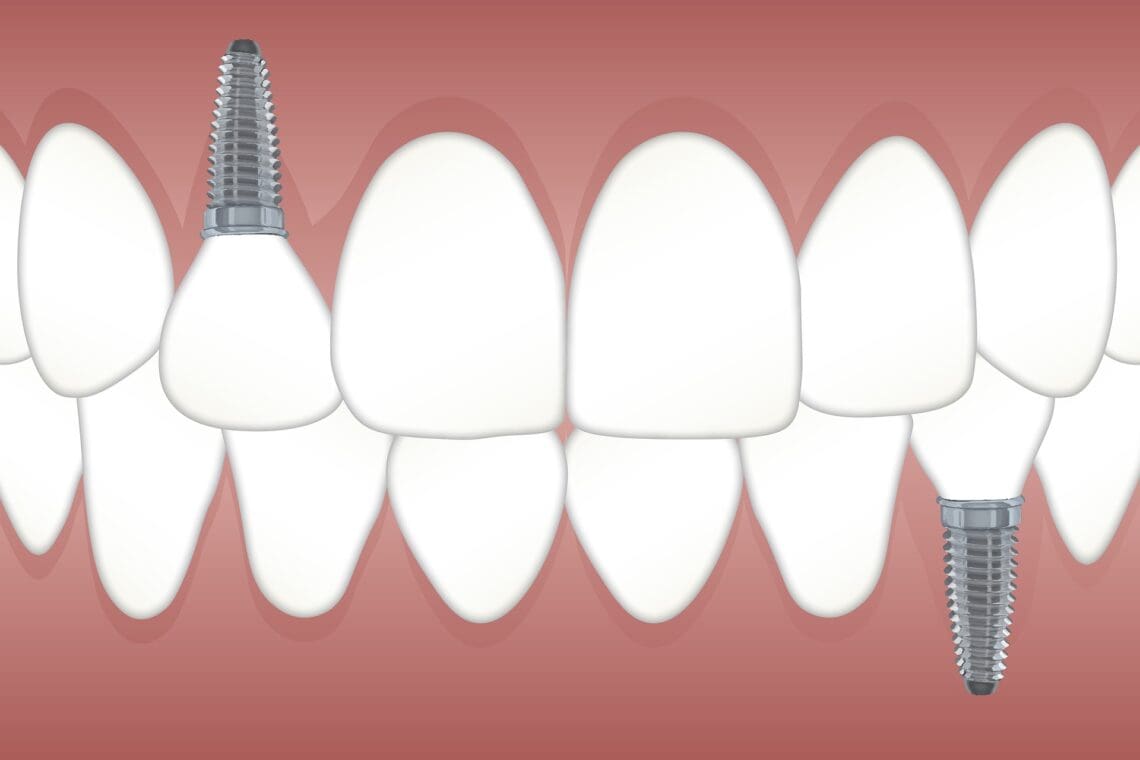
Dental implants are artificial tooth roots made of titanium that are surgically placed into the jawbone. Once the implant integrates with the bone, a crown is attached to the implant, creating a natural-looking and functional replacement for the missing tooth. Implants can replace a single tooth, multiple teeth, or support a full set of dentures.

Benefits of Dental Implants

  1. Durability and Longevity:
    • Dental implants are designed to last a lifetime with proper care. Unlike traditional dentures and bridges, which may need to be replaced every few years, implants provide a permanent solution for tooth replacement.
  2. Natural Appearance:
    • Dental implants look and feel like natural teeth. The crowns are custom-made to match the color, shape, and size of your existing teeth, ensuring a seamless and natural-looking smile.
  3. Improved Function:
    • Implants restore full chewing and speaking ability, allowing you to eat your favorite foods and speak clearly without worry. The stability provided by implants prevents slippage and discomfort associated with traditional dentures.
  4. Bone Health:
    • Dental implants stimulate the jawbone, preventing bone loss and maintaining facial structure. When a tooth is lost, the jawbone can deteriorate over time, leading to a sunken appearance. Implants help preserve the bone and support the surrounding teeth.
  5. Convenience:
    • Unlike removable dentures, dental implants are permanently fixed in place, eliminating the need for adhesives and daily removal. Implants require the same care as natural teeth, including regular brushing, flossing, and dental check-ups.

The Dental Implant Process

  1. Initial Consultation:
    • Your journey begins with a consultation at Uxbridge Family Dental. Our dentist will evaluate your oral health, take diagnostic images, and discuss your treatment options.
  2. Implant Placement:
    • The next step is the surgical placement of the implant into the jawbone. This procedure is typically performed under local anesthesia, ensuring your comfort.
  3. Healing and Osseointegration:
    • After the implant is placed, a healing period of several months is required for the implant to integrate with the jawbone. During this time, a temporary crown may be placed.
  4. Abutment Placement:
    • Once osseointegration is complete, an abutment is attached to the implant. The abutment acts as a connector between the implant and the crown.
  5. Crown Placement:
    • The final step is the placement of the custom-made crown, which is designed to match the color, shape, and size of your natural teeth.

Aftercare and Maintenance

Proper aftercare is essential for the success of your dental implants. Here are some tips to ensure the longevity of your implants:

  1. Maintain Good Oral Hygiene: Brush and floss regularly to keep your teeth and gums healthy.
  2. Regular Dental Check-Ups: Schedule regular check-ups at Uxbridge Family Dental to monitor your implants and overall oral health.
  3. Avoid Hard Foods: Avoid chewing on hard foods or objects that can damage your implants.
  4. Quit Smoking: Smoking can interfere with the healing process and increase the risk of implant failure.

Conclusion

Dental implants offer a reliable and long-lasting solution for missing teeth, improving both function and aesthetics. At Uxbridge Family Dental, we are dedicated to providing high-quality dental implant services to help you regain your confidence and enjoy a beautiful smile. Contact us today to schedule a consultation and learn more about the benefits of dental implants.

No Comment
Read More

Introduction

Regular dental check-ups are a crucial aspect of maintaining optimal oral health. At Uxbridge Family Dental, we emphasize the importance of routine dental visits to prevent dental issues and ensure your smile stays healthy and beautiful. In this blog post, we’ll discuss why regular dental check-ups are essential and what you can expect during your visit.

Early Detection of Dental Problems

One of the most significant benefits of regular dental check-ups is the early detection of dental problems. Conditions such as cavities, gum disease, and oral cancer can develop without noticeable symptoms. During your check-up, our skilled dentists can identify these issues in their early stages, making treatment easier and more effective.

Professional Cleaning

Even with diligent brushing and flossing, plaque and tartar can build up on your teeth. Professional dental cleanings during your check-up remove these deposits, preventing cavities and gum disease. Additionally, professional cleanings can help remove surface stains, giving your teeth a cleaner and brighter appearance.

Oral Health Education

During your dental check-up, our team at Uxbridge Family Dental provides valuable oral health education. We offer personalized advice on brushing and flossing techniques, dietary recommendations, and other tips to maintain your oral health. Understanding how to care for your teeth and gums can prevent many dental problems.

Preventive Treatments

Regular dental check-ups allow us to provide preventive treatments, such as fluoride applications and dental sealants, which strengthen your teeth and protect them from decay. These treatments are especially beneficial for children, helping to establish a strong foundation for lifelong oral health.

What to Expect During a Dental Check-Up

A typical dental check-up at Uxbridge Family Dental includes the following steps:

  1. Examination: Our dentist will review your medical history and conduct a thorough examination of your teeth, gums, and mouth. This includes checking for signs of cavities, gum disease, oral cancer, and other dental issues.
  2. X-Rays: If necessary, we will take X-rays to get a detailed view of your teeth and jawbone. X-rays help us detect problems that may not be visible during the visual examination.
  3. Cleaning: Our dental hygienist will perform a professional cleaning to remove plaque and tartar buildup. This process includes scaling to remove deposits above and below the gum line and polishing to remove surface stains.
  4. Fluoride Treatment: Depending on your risk of cavities, we may recommend a fluoride treatment to strengthen your tooth enamel and protect against decay.
  5. Discussion: After the examination and cleaning, our dentist will discuss your oral health, provide recommendations for any necessary treatments, and answer any questions you may have.

Conclusion

Regular dental check-ups are a vital part of maintaining a healthy smile. At Uxbridge Family Dental, we are dedicated to providing comprehensive dental care to keep your teeth and gums in excellent condition. Schedule your next dental check-up with us and take a proactive approach to your oral health. By making regular dental visits a priority, you can enjoy a lifetime of healthy, beautiful smiles.

No Comment
Read More

At Uxbridge Family Dental, we understand that dental care needs evolve with age. From the first tooth to a full set of dentures, each stage of life comes with its own dental challenges and requirements. That’s why we’re dedicated to providing tailored dental solutions for infants, children, teenagers, adults, and seniors. This comprehensive approach ensures that every family member receives the care they need to maintain a healthy and vibrant smile.

Dental Care for Different Life Stages

Children and Pediatric Dentistry

Early dental care is crucial for setting a foundation for lifelong oral health. At Uxbridge Family Dental, we create a child-friendly environment that makes dental visits fun and educational. Our pediatric services focus on:

  • Preventive Care: Regular check-ups and cleanings to prevent cavities and dental diseases. We use fluoride treatments and dental sealants to protect young teeth from decay.
  • Orthodontic Evaluations: Early assessments can identify the need for braces or other orthodontic treatments to correct misalignments and promote proper jaw development.
  • Education: Teaching children effective brushing and flossing techniques, as well as the importance of healthy eating for oral health.

By focusing on these areas, we help children learn how to care for their teeth and establish healthy habits that last a lifetime.

Teenagers and Orthodontics

As children grow into teenagers, their dental care needs often include orthodontics. Uxbridge Family Dental offers a range of orthodontic solutions, including traditional braces and Invisalign. These treatments are not just about creating a beautiful smile but also about improving oral function by correcting overcrowded or misaligned teeth.

  • Customized Treatment Plans: Based on a thorough assessment, we develop personalized treatment plans that address each teenager’s specific needs.
  • Support and Guidance: We guide teenagers through their orthodontic journey, providing care tips for maintaining braces or using Invisalign aligners effectively.

Adults: Comprehensive and Cosmetic Dental Care

For adults, dental care often focuses on maintenance and aesthetics. At Uxbridge Family Dental, we provide comprehensive dental care that includes both restorative and cosmetic services.

  • Restorative Services: From fillings and crowns to bridges and implants, we offer a variety of treatments to restore damaged or missing teeth.
  • Cosmetic Enhancements: We help adults achieve their dream smile with services like teeth whitening, veneers, and bonding. These procedures can dramatically improve the appearance of your smile and boost your confidence.

Our approach ensures that adult patients receive care that not only enhances their dental health but also contributes to their overall well-being and appearance.

Seniors: Focused on Preservation and Restoration

As we age, our dental care needs become more focused on preservation and restoration. Uxbridge Family Dental is committed to helping seniors maintain their oral health with services tailored to their unique needs.

  • Gum Disease Treatment: We offer specialized care for preventing and treating gum disease, a common condition among seniors that can lead to tooth loss if untreated.
  • Dentures and Implants: To address tooth loss, we provide dentures and implants that improve the function and aesthetics of your smile.
  • Oral Cancer Screenings: Regular screenings are vital for early detection of oral cancer, which increases in risk as we age.

Our goal is to enable seniors to enjoy good oral health and quality of life by addressing the full spectrum of their dental needs.

Why Choose Uxbridge Family Dental?

Choosing Uxbridge Family Dental means opting for a practice that:

  • Adapts to Your Changing Needs: We offer dental care that evolves with you, meeting your needs at every age and stage of life.
  • Prioritizes Comfort and Convenience: With the latest dental technologies, we ensure that every visit is as comfortable and convenient as possible.
  • Focuses on Patient Education: We believe in empowering our patients with the knowledge they need to make informed decisions about their dental care.

Connecting Your Care with Our Comprehensive Services

At Uxbridge Family Dental, we integrate various aspects of dental care to provide a holistic approach to your oral health.

Conclusion

At Uxbridge Family Dental, we’re proud to provide dental care that grows with you and your family. From the youngest smile to the most experienced, our comprehensive approach ensures that everyone receives the personalized care they deserve.

Ready to experience dental care tailored to your family’s needs? Visit our services page to learn more about how we can help you maintain a healthy, beautiful smile at every age.

Stay informed and engaged with our dental care tips by checking out our Dental Health Partners Blog.

No Comment
Read More

Uxbridge Family Dental is not just a dental practice; it’s a place where the latest technology meets compassionate care to transform your dental experience. By embracing advanced dental technologies, we ensure that every aspect of your visit is efficient, effective, and comfortable. This blog explores how these innovations enhance your treatment and contribute to a quicker, more precise, and more enjoyable dental journey.

Advancements in Dental Technology

Digital X-Rays: Enhancing Diagnostic Precision

Digital X-rays are a cornerstone of modern dental diagnostics, offering superior clarity and detail while using significantly less radiation than traditional X-rays. At Uxbridge Family Dental, we use digital X-rays to quickly and accurately diagnose a variety of dental conditions, from cavities and gum disease to more complex issues like jawbone abnormalities.

  • Benefits:
    • Reduced Radiation Exposure: Up to 90% less than traditional film X-rays.
    • Immediate Results: No waiting for film to develop — images are available instantly.
    • Enhanced Image Quality: Allows for better diagnosis and treatment planning.

Intraoral Cameras: A Closer Look at Your Oral Health

Intraoral cameras are powerful tools that provide high-resolution images of your teeth and gums. These detailed images are an excellent way for us and our patients to see the condition of the mouth up close.

  • Benefits:
    • Improved Patient Understanding: By seeing what we see, you can better understand your oral health and treatment options.
    • Early Detection: Helps in identifying early signs of dental issues, allowing for prompt treatment.
    • Interactive Education: We use these images to explain conditions, treatments, and outcomes clearly.

CAD/CAM Technology: Same-Day Dental Restorations

CAD/CAM (Computer-Aided Design and Computer-Aided Manufacturing) technology has revolutionized dental restorations such as crowns, veneers, inlays, and onlays. This technology enables us to design, fabricate, and fit new restorations in a single visit — a process that used to take weeks.

  • Benefits:
    • Single Visit Restorations: Get crowns and other restorations in one appointment, saving time and improving comfort.
    • Precise Customization: Digital design provides a perfect fit and more natural-looking results.
    • Durable Materials: Restorations are made from high-quality ceramics that mimic the strength and appearance of natural teeth.

Laser Dentistry: Minimally Invasive Treatment

Laser dentistry is one of the most exciting advancements in dental technology, offering a less invasive alternative to traditional surgery. At Uxbridge Family Dental, we use dental lasers for various procedures, including gum reshaping, cavity treatment, and bacterial reduction during root canal therapy.

  • Benefits:
    • Less Pain and Discomfort: Minimally invasive, reducing the need for anesthesia.
    • Faster Healing: Lasers promote clotting, reducing bleeding and swelling and speeding up the recovery process.
    • Increased Precision: Allows for more targeted treatment, preserving more of the healthy tissue.

Integrating Technology with Comprehensive Dental Care

The integration of these technologies into our dental practice allows Uxbridge Family Dental to provide care that is not only more efficient but also more effective and comfortable for our patients.

Why Choose Uxbridge Family Dental for High-Tech Dental Care?

Choosing Uxbridge Family Dental means selecting a practice that believes in the power of technology to enhance patient care. Our commitment to using the best and latest technologies means you receive the highest standard of care in the most efficient and effective manner possible.

Conclusion

Advanced dental technology has the power to transform your dental care experience, and at Uxbridge Family Dental, we are proud to be at the forefront of this revolution. From diagnosis to treatment, our use of these technologies means that you receive care that is not just high quality but also tailored to meet your individual needs and preferences.

Ready to experience the difference that technology can make in your dental care? Visit our services page to learn more about how our advanced dental technologies can benefit you.

Stay updated with the latest in dental technology and care by visiting our Dental Health Partners Blog.

No Comment
Read More

Preventive dentistry is the foundation of good oral health and the heart of what we do at Uxbridge Family Dental. By focusing on preventive measures and early detection, we help our patients maintain healthy teeth and gums and minimize the need for more extensive treatments. This approach not only ensures the long-term health of your smile but also contributes to your overall well-being.

The Pillars of Preventive Dentistry

Regular Dental Check-Ups and Cleanings

Routine dental exams and cleanings are essential for maintaining oral health. These visits allow us to monitor your oral health, identify and treat problems early, and remove plaque and tartar that brushing and flossing can’t reach.

  • Benefits:
    • Early Detection: Helps catch problems like cavities and gum disease early when they’re easier to treat.
    • Professional Cleaning: Removes plaque and tartar buildup, preventing decay and periodontal disease.
    • Oral Health Maintenance: Regular check-ups ensure that your oral health is continuously monitored and maintained.

Dental Sealants

Dental sealants are a preventive treatment that involves applying a protective plastic coating to the chewing surfaces of the back teeth (molars and premolars). This coating prevents food and bacteria from getting into the tiny grooves of these teeth and causing decay.

  • Benefits:
    • Cavity Prevention: Sealants can significantly reduce the risk of cavities in molars, which are harder to clean and more prone to decay.
    • Long-Lasting Protection: Sealants can protect teeth for up to 10 years with proper care.
    • Non-Invasive: The application is quick, painless, and doesn’t require drilling or removing tooth structure.

Fluoride Treatments

Fluoride is a mineral that helps strengthen tooth enamel and make it more resistant to acid attacks from plaque bacteria and sugars in the mouth. Fluoride treatments are an essential part of preventive dentistry, especially for children, but also for adults at higher risk of decay.

  • Benefits:
    • Enamel Strengthening: Fluoride remineralizes and strengthens enamel, helping to prevent cavities.
    • Reverses Early Decay: Can help reverse early signs of tooth decay before they become more serious.
    • Protection for All Ages: Beneficial for children’s developing teeth and adults prone to decay.

Oral Cancer Screenings

Oral cancer screenings are a routine part of your dental check-up. We examine your mouth for any signs of oral cancer, including lumps, sores, white or red patches, and areas of tenderness or pain. Early detection is crucial for successful treatment.

  • Benefits:
    • Early Detection: Increases the likelihood of successful treatment.
    • Comprehensive Examination: Involves checking the lips, tongue, cheeks, throat, and gums for any signs of cancer.
    • Peace of Mind: Regular screenings provide peace of mind and help catch potential issues early.

Preventive Dentistry at Home

While regular visits to Uxbridge Family Dental are vital, good oral hygiene at home is equally important. Here are some tips to help you maintain your oral health between visits:

  1. Brush Twice a Day: Use a fluoride toothpaste and a soft-bristled brush. Spend two minutes brushing, covering all surfaces of your teeth.
  2. Floss Daily: Flossing removes plaque and food particles from between your teeth and under the gum line, areas your toothbrush can’t reach.
  3. Eat a Balanced Diet: Limit sugary and acidic foods that can erode tooth enamel. Eat plenty of fruits, vegetables, and calcium-rich foods to strengthen teeth.
  4. Drink Plenty of Water: Water helps wash away food particles and keeps your mouth moist, reducing the risk of decay.
  5. Avoid Tobacco: Smoking and tobacco use increase your risk of gum disease and oral cancer.

Connecting Preventive Care with Comprehensive Dental Services

Preventive care is just one aspect of the comprehensive dental services we offer at Uxbridge Family Dental. By integrating preventive care with restorative and cosmetic treatments, we ensure that you receive holistic care that addresses all aspects of your oral health.

Why Choose Uxbridge Family Dental for Preventive Dentistry?

Choosing Uxbridge Family Dental for your preventive dentistry needs means opting for a practice that prioritizes your long-term health and comfort. Our experienced team is committed to providing you with the highest standard of care in a welcoming and supportive environment.

Conclusion

Preventive dentistry is the most effective way to ensure long-term oral health and minimize the need for more extensive dental treatments. At Uxbridge Family Dental, we are dedicated to providing comprehensive preventive care that helps our patients maintain healthy, beautiful smiles throughout their lives.

Ready to take a proactive approach to your oral health? Visit our services page to learn more about our preventive dentistry services and how we can help you keep your smile healthy and bright.

Stay informed about the best ways to care for your teeth by visiting our Dental Health Partners Blog.

No Comment
Read More