Call today:
New Patients Call:
VISIT OUR OTHER LOCATIONS
Dental emergencies can happen at any time, often without warning, causing pain, anxiety, and disruption to your daily life. Whether it’s a severe toothache, a broken or knocked-out tooth, or an abscess, knowing how to respond quickly and effectively can make all the difference in saving your tooth and preventing further complications. At Uxbridge Family Dental, we provide prompt, compassionate emergency dental care to help you manage urgent issues and restore your oral health.
A dental emergency is any problem involving your teeth, gums, or mouth that requires immediate attention to relieve pain, stop bleeding, or prevent serious infection. Common emergencies include:
If you experience a dental emergency, the first step is to contact your dentist immediately. Many dental offices, including Uxbridge Family Dental, have emergency contact numbers or offer same-day appointments to address urgent needs. If you cannot reach your dentist and the situation involves severe bleeding, facial trauma, or broken facial bones, seek emergency room care right away.
While waiting for professional treatment, there are important steps you can take to manage your symptoms and protect your oral health:
Toothaches often signal infection or decay and should never be ignored. If you have swelling, fever, or severe pain, seek emergency care promptly to prevent the infection from spreading. Abscesses require urgent treatment to drain infection and relieve pain.
Chipped or broken teeth can usually be repaired if treated quickly. Depending on the severity, your dentist may use bonding, crowns, or root canal therapy to restore your tooth. Lost fillings and crowns should be replaced as soon as possible to protect the exposed tooth from further damage.
Injuries to the soft tissues of your mouth, such as bitten lips or tongues, require gentle cleaning and pressure to stop bleeding. If bleeding persists beyond 15 minutes or is severe, seek emergency medical care.
Preventing dental emergencies starts with regular dental checkups, good oral hygiene, and wearing protective gear during sports or high-risk activities. However, accidents can still happen, and knowing how to respond calmly and effectively can save your smile.
At Uxbridge Family Dental, we are dedicated to providing timely emergency dental care with compassion and expertise. If you or a loved one faces a dental emergency, don’t hesitate to contact us immediately. Our team will guide you through the next steps and provide the treatment you need to restore comfort and health.
Your oral health is our priority, especially when unexpected problems arise. Trust Uxbridge Family Dental for reliable, expert emergency dental services that protect your smile and peace of mind.
When it comes to dental health, misinformation can lead to poor habits and unnecessary anxiety. At Uxbridge Family Dental, we want to empower you with accurate knowledge so you can take the best possible care of your smile. Many dental myths have persisted over time, causing confusion about what’s truly beneficial for your teeth and gums. Let’s set the record straight by debunking some of the most common dental misconceptions.
One widespread myth is that brushing harder cleans better. In reality, brushing too vigorously can damage your enamel and irritate your gums, leading to sensitivity and gum recession. The best approach is to use a soft-bristled toothbrush and gentle, circular motions to effectively remove plaque without harming your teeth or gums.
Another misconception is that sugar alone causes cavities. While sugar does contribute, the real culprit is the bacteria in your mouth that feed on sugars and starches, producing acids that erode tooth enamel. Poor oral hygiene, frequent snacking, acidic foods, and lack of fluoride also play significant roles in cavity formation.
Some people believe that if their gums bleed during brushing, they should stop brushing altogether. This is not true. Bleeding gums often signal gum disease caused by plaque buildup, and stopping brushing only worsens the problem. Instead, maintain gentle brushing and flossing and consult your dentist to address the underlying issue.
Many assume that white teeth automatically mean healthy teeth. While a bright smile is attractive, it doesn’t guarantee good oral health. Cavities, gum disease, and enamel erosion can exist even if teeth appear white. Regular dental checkups are essential to detect hidden problems.
Flossing is often underestimated, with some thinking it’s unnecessary. However, flossing removes plaque and food particles from between teeth where a toothbrush can’t reach. Skipping flossing increases the risk of cavities and gum disease.
Another myth is that baby teeth don’t matter because they eventually fall out. On the contrary, primary teeth hold space for permanent teeth and play a vital role in speech and chewing. Neglecting baby teeth can lead to infections, misalignment, and long-term dental issues.
Some believe mouthwash can replace brushing. Mouthwash can freshen breath and reduce bacteria but cannot remove plaque or food debris like brushing and flossing. It should be used as a supplement, not a substitute.
Chewing gum is sometimes thought to replace brushing. While sugar-free gum stimulates saliva production, which helps neutralize acids and wash away food particles, it cannot clean teeth thoroughly. Regular brushing and flossing remain necessary.
A dangerous misconception is that if you don’t feel pain, you don’t have dental problems. Many dental issues, including cavities and gum disease, can develop without pain in early stages. Regular dental visits help catch problems before they become severe.
Some think teeth alignment is purely cosmetic. In fact, proper alignment is crucial for oral health. Misaligned teeth can cause difficulty cleaning, leading to plaque buildup, cavities, gum disease, uneven tooth wear, speech problems, and jaw disorders.
Brushing immediately after eating is another myth. Brushing right after consuming acidic foods or drinks can damage softened enamel. It’s best to wait at least 30 minutes before brushing and rinse your mouth with water in the meantime.
Lastly, many believe tooth loss is inevitable with aging. While older adults may face challenges, tooth loss is not a given. With good oral hygiene, regular dental care, and a healthy diet, you can keep your natural teeth for life.
At Uxbridge Family Dental, we are dedicated to providing you with accurate information and high-quality care to help you maintain a healthy, beautiful smile. Don’t let myths hold you back from the best dental habits. Schedule your next appointment with us and experience dental care based on facts and compassion.
Good dental habits start early! Teaching kids about oral hygiene at a young age sets them up for a lifetime of healthy smiles. At Uxbridge Family Dental, we specialize in gentle pediatric dentistry to ensure every child gets the best start for their dental health.
Many parents assume baby teeth aren’t important since they fall out anyway, but early oral health affects future adult teeth. Cavities in baby teeth can lead to infections that impact the development of permanent teeth.
One of the most common issues in children is tooth decay, often caused by sugary snacks and poor brushing habits. Parents should encourage twice-daily brushing, flossing, and regular dental visits to prevent cavities.
Another key factor? Thumb sucking and pacifier use can affect tooth alignment if continued past a certain age. Our pediatric dentists provide guidance to help parents transition their children away from these habits.
We also focus on making dental visits fun and stress-free! A positive experience early on reduces dental anxiety and ensures children grow up comfortable with routine check-ups.
Did you know your oral health affects your entire body? Poor dental hygiene isn’t just bad for your teeth—it’s been linked to heart disease, diabetes, and even Alzheimer’s. At Uxbridge Family Dental, we emphasize the mouth-body connection and why keeping your teeth healthy is essential for overall well-being.
One of the biggest connections is between gum disease and heart disease. Studies show that inflammation caused by gum disease can contribute to clogged arteries and increase the risk of heart attacks.
Diabetes and oral health are also closely related. High blood sugar levels make diabetics more prone to gum infections, which, in turn, can make it harder to control blood sugar.
Even your brain health is affected! Research suggests that bacteria from gum disease can enter the bloodstream and contribute to conditions like dementia and Alzheimer’s disease.
By maintaining good oral hygiene—brushing, flossing, and regular dental check-ups—you’re not just protecting your teeth, but your entire body.
A bright, white smile boosts confidence, but with so many whitening options available, how do you know what’s safe and effective? At Uxbridge Family Dental, we help patients achieve whiter teeth using safe, professional methods that protect enamel and prevent sensitivity.
Over-the-counter whitening products may seem convenient, but they often contain abrasive chemicals that can weaken enamel over time. Many whitening toothpastes rely on harsh scrubbing agents rather than actual stain removal.
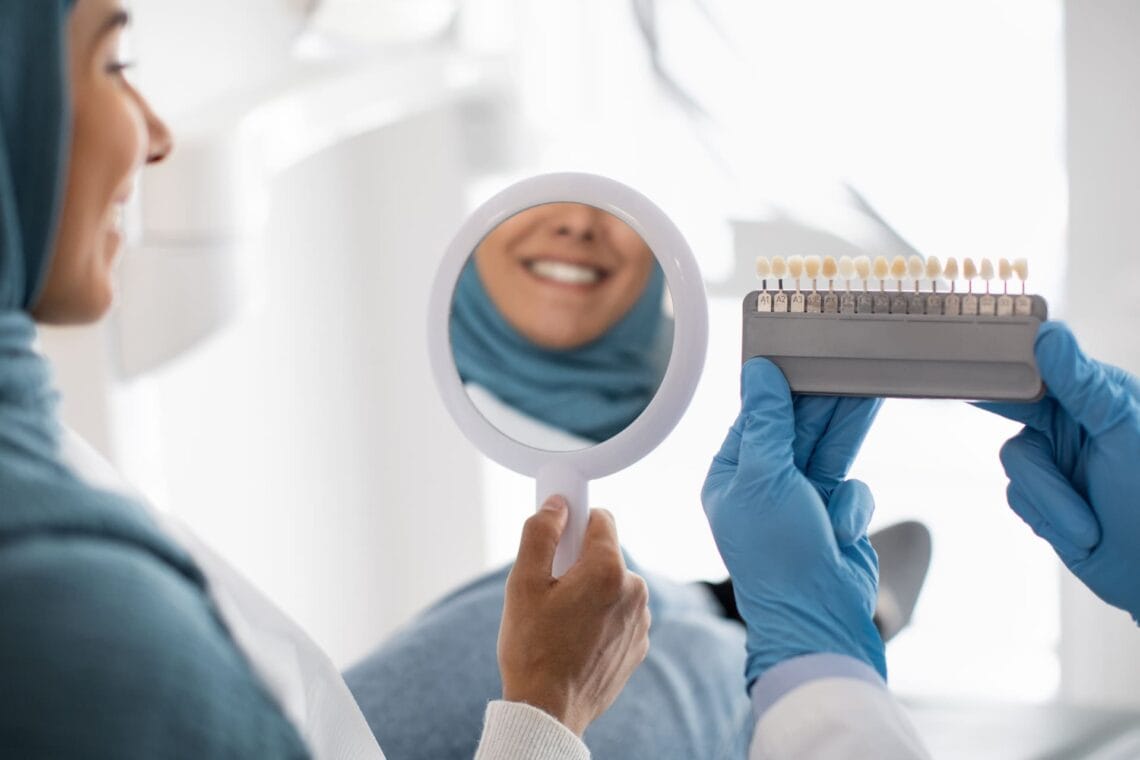
Professional teeth whitening, on the other hand, uses safe, controlled bleaching agents that effectively lift deep stains without damaging your teeth. At Uxbridge Family Dental, we offer in-office treatments for fast results and take-home trays for gradual whitening.
It’s also important to know that whitening won’t work on crowns, veneers, or fillings, and excessive bleaching can cause tooth sensitivity. This is why consulting with a dentist before whitening is crucial to avoid damage.
You’ve heard the saying, “You are what you eat.” When it comes to oral health, this couldn’t be more true. The foods you consume have a direct impact on your teeth and gums. At Uxbridge Family Dental, we help patients understand how their diet affects their smiles.
Certain foods strengthen teeth, while others cause decay. Dairy products like cheese and yogurt provide calcium, which helps strengthen enamel. Crunchy fruits and vegetables, like apples and carrots, help clean teeth naturally by scrubbing away plaque.
On the flip side, sugary and acidic foods can be harmful. Sodas, candies, and even fruit juices create the perfect environment for bacteria, leading to cavities and erosion. Sticky snacks like dried fruit may seem healthy, but they cling to teeth, increasing decay risk.
Drinking plenty of water is also essential. Water helps rinse away food particles, reducing bacteria buildup. If you drink coffee or tea, using a straw can help prevent staining.
When it comes to dental health, prevention is always better than treatment. Many people only visit the dentist when they experience pain or discomfort, but regular check-ups can prevent major issues before they even start. At Uxbridge Family Dental, we focus on preventive care to help you maintain a healthy and lasting smile.
Preventive dentistry includes regular cleanings, fluoride treatments, and early cavity detection. These small steps help avoid bigger problems like tooth decay, gum disease, and even tooth loss.
One of the most common issues we see is plaque buildup turning into tartar, which can lead to gum inflammation. Once tartar forms, it can’t be removed with brushing alone—only a professional cleaning can eliminate it.
Another key part of preventive care is early detection. Small cavities caught in time can be treated with a simple filling, but if left untreated, they can grow into painful infections requiring root canals or extractions.
At Uxbridge Family Dental, we believe that keeping up with regular dental visits, good oral hygiene, and a balanced diet is the best way to maintain strong and healthy teeth for a lifetime.
When it comes to achieving a perfect smile, orthodontics plays a crucial role. Whether you’re seeking to correct a misaligned bite, straighten crowded teeth, or address gaps, the goal is always the same: a healthier, more confident smile. Traditional braces have long been the go-to solution for orthodontic treatment, but in recent years, Invisalign has gained significant popularity as a more discreet and comfortable alternative. But is Invisalign right for you? In this blog, we’ll explore the ins and outs of Invisalign, its benefits, and who may be a good candidate for this innovative orthodontic treatment.
At Uxbridge Family Dental, we understand that the decision to pursue orthodontic care is personal and requires careful consideration. In this article, we’ll walk you through everything you need to know about Invisalign, so you can make an informed choice about your orthodontic treatment.
Invisalign is a modern orthodontic treatment that uses clear, custom-made aligners to straighten teeth. Unlike traditional metal braces, which involve brackets and wires, Invisalign aligners are virtually invisible, making them a popular choice for adults and teens who prefer a more discreet treatment option. The aligners are made of a smooth, comfortable plastic material that fits snugly over your teeth and gradually shifts them into their correct position over time.
The treatment involves a series of aligners that are changed every two weeks, with each set designed to move your teeth a little closer to the desired position. Invisalign treatment typically lasts between 12 to 18 months, depending on the complexity of your case. Many people find that Invisalign fits seamlessly into their daily lives, offering a level of comfort and flexibility that traditional braces simply can’t match.
The process of getting Invisalign starts with a consultation at your dentist or orthodontist’s office. Here, they will evaluate your oral health, take X-rays, digital scans, and possibly impressions of your teeth. These images will be used to create a detailed 3D model of your mouth, which is essential for designing a personalized treatment plan.
Once your aligners are ready, you’ll begin wearing them as instructed. You’ll wear each set of aligners for about 20 to 22 hours a day, removing them only to eat, drink, brush, and floss. As you progress through the series of aligners, your teeth will gradually shift into their new positions. Regular check-ins with your dentist or orthodontist will ensure that the treatment is on track and make any adjustments if necessary.
The Benefits of Invisalign
Invisalign offers several advantages over traditional braces, which is why it has become a popular choice for many individuals seeking orthodontic treatment. Here are some key benefits:
One of the main reasons people choose Invisalign is because the aligners are clear and virtually invisible. This is especially appealing for adults and teenagers who may feel self-conscious about wearing metal braces. With Invisalign, you can straighten your teeth without drawing attention to your treatment.
Invisalign aligners are made from smooth plastic, which means they’re generally more comfortable than metal braces. There are no sharp edges or wires that can irritate the inside of your mouth. Additionally, the aligners are custom-made to fit your teeth, providing a snug yet comfortable fit.
Unlike traditional braces, Invisalign aligners are removable. This gives you more flexibility when it comes to eating, drinking, and maintaining your oral hygiene. You can remove your aligners before meals, allowing you to enjoy all of your favorite foods without worrying about food getting stuck in your braces. Plus, since you can remove the aligners, brushing and flossing is much easier, helping you maintain better oral hygiene during treatment.
Traditional braces require frequent visits to the orthodontist for adjustments and tightening. With Invisalign, however, you’ll typically need fewer visits. Most people only need to see their dentist or orthodontist every 6 to 8 weeks to monitor their progress. This can be a significant time-saver for people with busy schedules.
While traditional braces often cause discomfort, especially after adjustments, Invisalign generally results in less pain and discomfort. Because the aligners gradually shift your teeth into position, the process is typically smoother and less painful than the traditional tightening of metal braces.
While Invisalign is an excellent option for many people, it may not be the right choice for everyone. The ideal candidate for Invisalign treatment is someone with mild to moderate orthodontic issues, such as:
Invisalign is highly effective for individuals with crooked teeth or mild crowding. If your teeth are only slightly misaligned, Invisalign can straighten them without the need for more invasive treatment.
Invisalign is also a good choice for individuals who have gaps between their teeth. The aligners can help gradually move the teeth closer together, closing gaps and improving the overall alignment.
Invisalign can also treat some bite issues, such as overbites, underbites, and crossbites. These issues occur when the upper and lower teeth don’t align properly, leading to problems with chewing or jaw pain. Invisalign aligners can gently reposition the teeth to correct these bite issues.
However, Invisalign may not be the best option for individuals with more complex orthodontic issues, such as severe bite problems, large gaps, or very crooked teeth. In such cases, traditional braces may be more effective. Your dentist or orthodontist can help you determine whether Invisalign is suitable for your specific needs.
Invisalign isn’t just for adults. Invisalign also offers a version of its aligners specifically designed for teenagers. These aligners are similar to the adult versions but come with a few key differences to accommodate the unique needs of growing mouths.
Invisalign for teens includes features like:
Teens may find Invisalign a more comfortable and discreet option than traditional braces. Since they are removable, it’s easier for teens to maintain their oral hygiene and eat the foods they enjoy without restrictions.
The cost of Invisalign can vary depending on several factors, including the complexity of your case, the length of treatment, and the specific dental practice. On average, Invisalign treatment costs between $3,000 and $7,000. While this may seem higher than traditional braces, the benefits—such as fewer visits to the dentist, greater comfort, and a more discreet appearance—may make it worth the investment.
Insurance coverage for Invisalign may also vary, so it’s important to check with your provider to determine if your plan covers part or all of the cost. Many dental offices also offer payment plans or financing options to make treatment more affordable.
Invisalign can be an excellent option for many people seeking orthodontic treatment, but it’s important to have a thorough consultation with your dentist or orthodontist to determine if it’s the best choice for your specific needs. While Invisalign is ideal for individuals with mild to moderate misalignment, it may not be suitable for more complex cases that require more extensive teeth movement.
Ultimately, the decision to choose Invisalign depends on several factors, including the severity of your orthodontic issues, your lifestyle, and your personal preferences. If you’re looking for a discreet, comfortable, and flexible way to straighten your teeth, Invisalign may be the right option for you.
At Uxbridge Family Dental, we are here to guide you through your orthodontic journey. If you’re considering Invisalign, schedule a consultation with us today, and we’ll help you determine whether Invisalign is the right solution for your smile.
Invisalign offers a modern, convenient, and comfortable way to straighten your teeth and achieve the smile you’ve always wanted. With its clear aligners, minimal discomfort, and flexibility, it’s no wonder why so many people are choosing Invisalign over traditional braces. However, it’s important to carefully consider your orthodontic needs and consult with a dental professional to determine if Invisalign is right for you.
If you’re ready to take the next step toward a beautiful, confident smile, reach out to Uxbridge Family Dental. We can help you determine if Invisalign is the best treatment option and guide you through every step of the process. Your perfect smile is within reach!
Oral health is an essential part of your overall well-being, and it all begins with the basics: brushing your teeth. While most of us know the importance of brushing regularly, choosing the right toothbrush and toothpaste is often overlooked. With so many options available, it can be difficult to know which ones are best for your family’s unique needs.
At Uxbridge Family Dental, we understand that each family member’s oral health requirements may vary, whether it’s for a toddler’s delicate gums, an adult’s cavity prevention, or a senior’s sensitive teeth. In this blog, we’ll guide you through the process of selecting the right toothbrush and toothpaste for each family member, providing expert advice to help everyone maintain healthy, clean smiles.
A toothbrush and toothpaste are your primary tools for maintaining good oral hygiene. The right combination will help remove plaque, prevent cavities, and reduce the risk of gum disease. On the other hand, using the wrong toothbrush or toothpaste can lead to ineffective brushing and potential harm to your teeth and gums.
By carefully selecting the right products for each family member, you ensure that everyone’s dental care is as effective and comfortable as possible. Let’s break down how to choose the best toothbrush and toothpaste for different ages and needs.
When it comes to babies and toddlers, oral care starts early. Even before your baby has teeth, it’s important to gently wipe their gums with a soft cloth or infant toothbrush after feeding to remove any residue. Once their first teeth appear, it’s time to switch to a toothbrush designed specifically for little ones.
What to Look For:
Tip: Choose an age-appropriate toothbrush for your toddler. You can also find toothbrushes with fun, colorful designs to make brushing more enjoyable for them.
As children grow, their brushing needs evolve. By the age of 4, most children can start using a regular toothbrush, but it’s important to choose one that suits their developing skills.
What to Look For:
Tip: You can consider an electric toothbrush for children as it can help them brush more effectively, making the process easier and more fun. Look for models with timers that encourage children to brush for the full recommended two minutes.
Teenagers and adults have more advanced oral care needs. The best toothbrush will be one that suits your individual needs, whether that’s for sensitive teeth, gum care, or orthodontic care.
What to Look For:
Tip: If you wear braces, look for an orthodontic toothbrush designed to clean around brackets and wires effectively. Alternatively, consider a soft-bristled electric toothbrush with a specialized brush head for braces.
As we age, our teeth and gums can become more sensitive. Seniors may experience dry mouth, gum recession, and enamel thinning, which can make brushing more difficult or uncomfortable.
What to Look For:
Tip: Look for a toothbrush that offers a gentle brushing experience but still provides effective cleaning power. Electric toothbrushes with pressure sensors can also help prevent excessive force that may harm sensitive gums and teeth.
Toothpaste is equally important as the toothbrush when it comes to maintaining oral health. Different types of toothpaste offer specific benefits, so it’s essential to choose one that meets the needs of each family member.
For babies and toddlers, toothpaste should be free from fluoride and contain gentle ingredients. At this stage, children can swallow toothpaste, so fluoride-free options are a safe choice.
What to Look For:
Tip: Use only a tiny amount of toothpaste (about the size of a rice grain) to help prevent your toddler from swallowing too much.
As your child grows, they can start using toothpaste with fluoride, which helps prevent cavities and strengthen enamel. However, the amount of fluoride should be appropriate for their age.
What to Look For:
Tip: Teach your children to spit out toothpaste and avoid swallowing it. Start with a small pea-sized amount and encourage them to brush gently.
Teenagers and adults have a wider variety of toothpaste options to choose from, depending on specific oral care needs, such as cavity prevention, gum health, or teeth whitening.
What to Look For:
Tip: If you have sensitive teeth, look for a toothpaste formulated for sensitivity, which can help reduce discomfort caused by hot or cold foods and drinks.
For seniors, tooth sensitivity and gum recession are common, and choosing the right toothpaste can help address these issues.
What to Look For:
Tip: Seniors with dentures or bridges may benefit from toothpaste formulated to clean dentures or protect their natural teeth from gum disease.
Choosing the right toothbrush and toothpaste for your family may seem like a simple decision, but it plays a significant role in maintaining optimal oral health. Whether you’re shopping for your infant’s first toothbrush or looking for a toothpaste that helps with sensitivity, there are many options available to suit each person’s unique needs.
By following the tips above, you can make informed choices and create an oral care routine that works for everyone in your family. At Uxbridge Family Dental, we’re here to support you in your journey toward healthy smiles for the entire family. If you have any questions about oral care products or need advice on choosing the best options for your family, don’t hesitate to contact us. Your smile is our priority!
Oral health is crucial to our overall well-being, but unfortunately, many misconceptions and myths continue to circulate about how to care for our teeth. These myths can lead to confusion and potentially harmful practices when it comes to maintaining a healthy smile. As experts in dental care, the team at Uxbridge Family Dental is here to debunk some of the most common myths and provide you with accurate information to help you make informed decisions about your oral health.
In this blog, we’ll explore five myths about oral health that many people still believe, and we’ll explain the truth behind each one. Let’s clear up the confusion and help you take better care of your teeth and gums.
One of the most pervasive myths in dental care is that you should only visit a dentist when you experience pain or discomfort in your teeth. While it’s true that toothaches and other dental issues require professional attention, waiting until pain strikes can lead to much more serious problems down the line.
In reality, regular dental check-ups are essential for preventing dental issues before they become painful or costly. Many dental problems, such as cavities, gum disease, and even oral cancer, don’t exhibit obvious symptoms in the early stages. If you wait until you feel pain, the issue may have already progressed to a stage that requires more invasive treatment.
The Truth:Visiting your dentist for routine check-ups every six months is the best way to keep your teeth healthy and catch problems early. Regular cleanings help remove plaque buildup that can lead to cavities and gum disease, while your dentist can monitor for signs of oral health issues that may not be visible to you. Preventive care is always more effective—and less costly—than waiting for a dental emergency.
Tip: If you haven’t had a check-up in the past six months, schedule an appointment with Uxbridge Family Dental today. Regular visits are key to long-term oral health.
Many people believe that whitening toothpaste will provide significant results when it comes to brightening their smile. While whitening toothpaste can help remove surface stains and give your teeth a cleaner appearance, it won’t provide dramatic whitening results like professional treatments can.
Whitening toothpaste works by using mild abrasives and chemical agents to polish the surface of the teeth and remove food stains or discoloration caused by smoking, coffee, or other staining substances. However, if your teeth are deeply stained or yellowed, a whitening toothpaste alone won’t provide the desired outcome.
The Truth:If you’re looking for more noticeable whitening, professional teeth whitening treatments from your dentist are the most effective option. Uxbridge Family Dental offers teeth whitening services that can provide you with a brighter, whiter smile in just one visit. Professional treatments can break down deeper stains and give you results that are much more dramatic than what whitening toothpaste can achieve.
Tip: Consider professional whitening if you want a significant change to the color of your teeth. Speak to your dentist about options that best fit your needs.
While it’s true that sugar plays a major role in the development of cavities, it’s not the only culprit. Many people believe that cutting out sugary foods and drinks will prevent cavities, but other factors can contribute to tooth decay as well. The key to preventing cavities lies in understanding how bacteria and plaque buildup affect your teeth.
Cavities form when the bacteria in your mouth feed on sugars and carbohydrates from food, producing acids that erode the tooth enamel. While sugary snacks and drinks are a significant factor, foods high in starches and carbohydrates can also contribute to plaque buildup, leading to tooth decay.
The Truth:Cavities are caused by a combination of factors, including poor oral hygiene, sugary foods, and starches. To prevent cavities, it’s important to maintain good oral hygiene practices, such as brushing twice a day, flossing daily, and visiting your dentist regularly for cleanings. A balanced diet that is low in sugary and starchy foods also helps protect your teeth.
Tip: Don’t just cut out sugar—make sure to brush and floss after meals to remove food particles and plaque from your teeth.
Many people believe that brushing their teeth harder will result in a cleaner, healthier mouth. However, brushing too hard can actually do more harm than good. Aggressive brushing can wear down tooth enamel, irritate your gums, and cause sensitivity over time.
In reality, brushing your teeth with too much pressure can lead to gum recession and enamel erosion, which can increase your risk of cavities and gum disease. The key to effective brushing is not in how hard you press but in using the right technique and a soft-bristled toothbrush.
The Truth:Gentle brushing with the right technique is far more effective in removing plaque and keeping your gums healthy. The American Dental Association recommends using a soft-bristled toothbrush and brushing in gentle circular motions rather than scrubbing back and forth with force. A light touch is all you need to clean your teeth thoroughly.
Tip: Make sure to use a soft-bristled toothbrush and avoid aggressive brushing. Brush gently in a circular motion for at least two minutes to properly clean your teeth.
Another common myth is that dental work—such as fillings, crowns, and root canals—is only necessary when a problem is visibly noticeable. However, many dental issues are not immediately visible to the naked eye and can still require professional intervention.
For example, cavities often start small and may not cause any visible changes to the tooth. The same goes for gum disease—early-stage gum disease (gingivitis) often doesn’t show visible signs but can lead to more severe gum disease if left untreated. Waiting for problems to become noticeable can lead to more extensive and costly treatments in the future.
The Truth:Dental issues can be present without visible signs or symptoms, which is why regular check-ups are essential. Your dentist can detect problems early through X-rays, physical exams, and routine screenings. Catching issues early allows for less invasive treatment and better long-term outcomes.
Tip: Don’t wait for a problem to become visible before visiting your dentist. Schedule regular check-ups to ensure your teeth and gums are healthy.
As you can see, there are many myths surrounding oral health that can lead to confusion or misconceptions about how to properly care for your teeth. The truth is that maintaining good oral hygiene goes beyond what many people think—it’s about more than just brushing, and regular dental visits are essential for ensuring long-term health.
At Uxbridge Family Dental, we aim to provide accurate, reliable information to help you take the best care of your teeth. By debunking these myths and adopting good oral hygiene habits, you can maintain a healthy, beautiful smile for years to come.
If you have any questions about oral health or need to schedule a dental check-up, don’t hesitate to contact us. Our team is here to provide you with expert care and personalized treatment to keep your smile looking and feeling its best. Remember, a healthy smile is just a visit away!
We all know the importance of brushing and flossing for maintaining a healthy smile, but did you know that your oral health is closely connected to your overall wellness? Your mouth is not just a gateway for food and drinks—it plays a vital role in your body’s overall health. Poor oral hygiene can contribute to a variety of health issues, from heart disease to diabetes, and even impact your mental health. In this blog, we will explore the significant connection between oral health and overall wellness, providing insights into how taking care of your mouth can benefit your entire body.
The mouth is home to millions of bacteria—both harmful and beneficial. Under normal conditions, your body can manage these bacteria, but when oral hygiene is neglected, harmful bacteria can build up and cause various issues, not only in your mouth but throughout your entire body. This connection between your oral health and general well-being is increasingly recognized by healthcare professionals, as research shows that poor oral health can exacerbate or even cause several systemic diseases.
Here are some key ways in which oral health influences overall health:
One of the most significant links between oral health and overall wellness is the relationship between gum disease (periodontitis) and heart disease. Studies have shown that people with gum disease are at higher risk of developing heart disease, stroke, and other cardiovascular conditions.
The theory behind this connection is that gum disease causes inflammation and infections in the gums, which can spread to other parts of the body. The inflammation from gum disease can lead to the hardening of arteries (atherosclerosis), which restricts blood flow and increases the risk of heart attacks and strokes.
Moreover, bacteria from infected gums can enter the bloodstream, potentially contributing to the formation of blood clots or inflammation in the heart and blood vessels.
How to reduce risk:
Diabetes, particularly type 2 diabetes, is a chronic condition that affects your body’s ability to regulate blood sugar levels. But did you know that poor oral health can make managing diabetes more difficult? The connection between diabetes and oral health is two-way—while diabetes increases the risk of gum disease, gum disease can make it harder for people with diabetes to control their blood sugar levels.
People with diabetes are more susceptible to infections, including those that affect the gums, and high blood sugar levels can lead to the growth of harmful bacteria in the mouth. This, in turn, increases the risk of gum disease. Conversely, untreated gum disease can cause elevated blood sugar levels and contribute to insulin resistance, making diabetes more challenging to manage.
How to reduce risk:
Another surprising link between oral health and overall wellness is the relationship between your mouth and lungs. Poor oral hygiene has been linked to an increased risk of respiratory infections, such as pneumonia, bronchitis, and chronic obstructive pulmonary disease (COPD).
When harmful bacteria in the mouth are inhaled into the lungs, they can cause infections and inflammation in the respiratory tract. This is especially a concern for people who have weakened immune systems or pre-existing respiratory conditions. Additionally, gum disease can exacerbate existing lung conditions, making it harder for individuals to breathe comfortably.
How to reduce risk:
Pregnancy brings many changes to a woman’s body, and oral health can be significantly impacted. Hormonal changes during pregnancy can lead to a condition known as pregnancy gingivitis, where the gums become inflamed, swollen, and bleed easily. If left untreated, this condition can develop into periodontitis, which has been linked to preterm birth and low birth weight.
Moreover, untreated gum disease during pregnancy may increase the risk of other complications, such as gestational diabetes, preeclampsia, and pregnancy-related high blood pressure.
How to reduce risk:
There is growing evidence that oral health and mental health are interconnected. Poor oral health has been linked to an increased risk of mental health issues such as depression, anxiety, and low self-esteem.
The connection between mental health and oral health is complex. Individuals with poor mental health may neglect their oral hygiene due to a lack of motivation or energy. Additionally, the physical effects of oral health problems—such as pain, bad breath, or visible dental issues—can impact a person’s confidence, contributing to feelings of embarrassment or social isolation.
On the other hand, chronic pain from conditions like gum disease, toothaches, or TMJ disorders can contribute to stress and anxiety. Furthermore, research suggests that inflammation in the body, caused by oral infections, may also be linked to mood disorders, creating a vicious cycle between oral and mental health.
How to reduce risk:
Recent studies have revealed a surprising connection between oral health and Alzheimer’s disease. Research suggests that gum disease and oral bacteria may contribute to the development or progression of Alzheimer’s. The bacteria responsible for periodontal disease can enter the bloodstream and even the brain, potentially triggering inflammation and the build-up of amyloid plaques, which are characteristic of Alzheimer’s disease.
While the exact mechanism of this connection is still being studied, maintaining good oral health may play a role in reducing the risk of cognitive decline as we age.
How to reduce risk:
Taking care of your oral health goes beyond achieving a bright smile. By maintaining good oral hygiene habits, you can improve your overall health and reduce your risk of developing serious health conditions. Regular dental check-ups, proper brushing and flossing, and a balanced diet can have a profound impact on your quality of life.
When you prioritize oral health, you’re also prioritizing your heart, brain, and immune system. Whether you’re preventing gum disease, managing diabetes, or reducing the risk of respiratory infections, good oral health is an essential part of your body’s overall wellness.
Your mouth is not just a place for food to enter your body—it’s a gateway to your overall health. Oral health affects everything from your heart to your brain, your respiratory system to your mental well-being. Neglecting your oral hygiene can lead to a host of health problems that can impact your daily life and long-term wellness.
Taking care of your mouth is one of the easiest and most effective ways to safeguard your body’s health. By brushing and flossing daily, visiting your dentist regularly, and adopting a healthy lifestyle, you can help protect yourself from a variety of serious health conditions.
At Uxbridge Family Dental, we understand the connection between oral health and overall wellness, and we’re here to help you maintain both. If you’re looking for a dental team that prioritizes your health, schedule an appointment today. Your mouth matters—take care of it, and it will take care of you!
Dental emergencies can happen when you least expect them, causing pain, discomfort, or even panic. Whether it’s a sudden toothache, a broken tooth, or an accident that damages your mouth, knowing how to handle a dental emergency can make all the difference. In many cases, timely action can help alleviate pain, prevent further damage, and save your teeth.
In this comprehensive guide, we’ll explore common dental emergencies, how to manage them, and when to seek immediate professional care. By being prepared and informed, you can handle unexpected situations with confidence.
What Is a Dental Emergency?
A dental emergency involves any oral health issue that requires immediate attention to stop pain, prevent infection, or save a tooth. While some dental problems can wait for a scheduled appointment, others demand urgent care.
Common signs of a dental emergency include:
If you’re unsure whether your situation is a true emergency, it’s better to err on the side of caution and consult a dentist as soon as possible.
A toothache can range from mild discomfort to excruciating pain, and it’s often a sign of an underlying problem, such as tooth decay, an abscess, or gum disease.
What to do:
When to see a dentist:If the pain persists or is accompanied by swelling, fever, or a foul taste in your mouth, contact your dentist immediately.
A knocked-out tooth (avulsed tooth) is one of the most time-sensitive dental emergencies. Acting quickly can increase the chances of saving the tooth.
What to do:
When to see a dentist:Seek immediate dental care within 30 minutes to an hour for the best chance of saving the tooth.
A cracked or broken tooth can cause pain and sensitivity and may expose the inner layers of the tooth to bacteria, increasing the risk of infection.
What to do:
When to see a dentist:Visit your dentist as soon as possible to evaluate the damage and determine the appropriate treatment, such as bonding, a crown, or a root canal.
A dental abscess is a pocket of pus caused by a bacterial infection, typically resulting from untreated tooth decay, gum disease, or a cracked tooth. Abscesses are serious and can spread to other parts of the body if not treated promptly.
What to do:
When to see a dentist:Contact your dentist immediately if you suspect an abscess. Signs include severe pain, swelling, fever, or a pimple-like bump on your gums.
Losing a filling or crown can leave your tooth vulnerable to damage or sensitivity.
What to do:
When to see a dentist:Schedule an appointment promptly to have the filling or crown replaced.
Orthodontic emergencies, such as a broken wire or bracket, can cause discomfort and damage the soft tissues in your mouth.
What to do:
When to see a dentist:Contact your orthodontist to have the issue repaired as soon as possible.
While minor gum bleeding is often caused by brushing too hard or gum inflammation, persistent or excessive bleeding may indicate a more serious problem.
What to do:
When to see a dentist:If bleeding doesn’t stop after 10 minutes or is accompanied by swelling or pain, seek immediate care.
While most dental emergencies can be handled by a dentist, certain situations may require a trip to the emergency room:
While accidents can happen, many dental emergencies can be avoided with proper preventive care and habits:
Emergency dentists are trained to handle urgent oral health issues and provide fast, effective treatment. They can address a wide range of problems, from pain relief and infection control to tooth repair and replacement.
If you experience a dental emergency, don’t hesitate to call your dentist’s office. Many practices offer same-day appointments or after-hours care for emergencies.
Dental emergencies can be stressful, but knowing how to respond can help minimize damage and pain. Whether it’s a severe toothache, a knocked-out tooth, or a dental abscess, timely action is key to preserving your oral health.
At Uxbridge Family Dental, we understand the urgency of dental emergencies and are committed to providing compassionate, prompt care when you need it most. Our team is here to guide you through unexpected situations and help you maintain a healthy, confident smile.
If you’re dealing with a dental emergency or want to learn more about our emergency care services, don’t hesitate to contact us. Your oral health is our top priority!