Call today:
New Patients Call:
VISIT OUR OTHER LOCATIONS
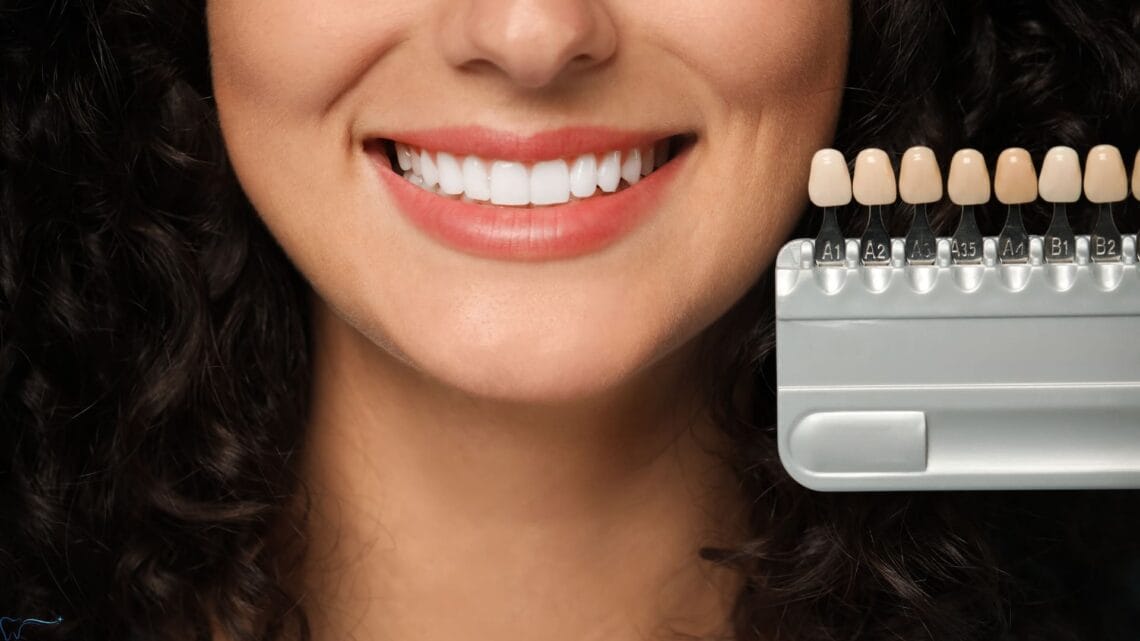
A bright, white smile can do wonders for your confidence, making you feel ready to face the world with energy and enthusiasm. At UxbridgeFamilyDental, we understand the impact a dazzling smile has on your self-esteem and overall appearance. That’s why our teeth whitening treatments are designed to safely and effectively refresh your smile, giving you that radiant glow you’ve been dreaming of.
Why Teeth Stain and Darken Over Time
Every day, your teeth face a barrage of factors that can dull their natural brightness. Foods and drinks like coffee, tea, red wine, and berries contain pigments that seep into the enamel, causing discoloration. Tobacco use, poor oral hygiene, aging, and even certain medications may also contribute to yellowing or darkening over time. While regular brushing helps, it often can’t fully reverse these stains.
The Teeth Whitening Advantage at UxbridgeFamilyDental
Professional teeth whitening is the fastest, most effective way to restore your smile’s brilliance. Unlike over-the-counter products, our treatments use stronger, professionally applied whitening agents that penetrate deep into the enamel to remove even stubborn stains. Here’s what sets UxbridgeFamilyDental apart:
The Whitening Process Simplified
During in-office sessions, a protective barrier is applied to gums to shield them from the whitening agent. Then, the professional-grade gel is applied to the teeth, activated by the Zoom light or left to work on its own depending on selected treatment. Multiple applications ensure even, thorough whitening while maintaining comfort. For take-home kits, custom trays are fit to your teeth for precise, consistent whitening at your own pace.
Caring for Your New Bright Smile
A whitening treatment at UxbridgeFamilyDental can brighten your teeth by several shades, but maintaining those results requires attention. Avoiding stain-causing foods and drinks, maintaining good oral hygiene, and scheduling regular cleanings keeps your smile sparkling longer. We also recommend occasional touch-ups using custom trays or safe whitening toothpaste.
Beyond Appearance: Confidence and Wellness
The impact of a bright smile extends beyond aesthetics. It boosts your self-confidence, encouraging friendly interactions and making positive impressions in your personal and professional life. A healthy-looking smile at UxbridgeFamilyDental also signifies good oral health—a smile you’ll be proud to show every day.
Is Teeth Whitening Right for You?
Most people with healthy teeth and gums are excellent candidates for whitening, but it’s essential to rule out cavities, gum inflammation, or severe enamel wear before treatment. Our dental team conducts a thorough exam to ensure whitening is safe and suitable for your unique needs.
Choosing UxbridgeFamilyDental for Your Whitening Journey
At UxbridgeFamilyDental, we combine expertise, the latest technology, and personalized care to deliver whitening results that stand out. Our patients leave feeling refreshed, radiant, and ready to face the world with a confident smile.
If you’re ready to brighten your smile safely and effectively with professional teeth whitening, contact UxbridgeFamilyDental today. Your most brilliant smile is waiting.
Dental bridges and crowns are more than just dental treatments—they are the cornerstone of smile restoration and renewed self-confidence. At UxbridgeFamilyDental, we see firsthand how these solutions bring life-changing benefits to patients of all ages. Let’s explore why bridges and crowns are trusted, time-tested ways to reclaim your oral health and a radiant smile.
Missing or damaged teeth impact more than your appearance. If left unaddressed, gaps in your smile often lead to shifting teeth, bite problems, and even bone loss in the jaw. It becomes more difficult to chew favorite foods, speak clearly, and maintain consistent oral hygiene. That’s where dental bridges shine. A bridge replaces one or several missing teeth by anchoring artificial teeth to the neighboring healthy teeth, effectively “bridging” the gap. This restoration not only maintains the alignment of your teeth but also restores proper chewing function, speech clarity, and a balanced facial appearance.
Crowns often go hand in hand with bridges and serve as powerful solutions for weakened, broken, or decayed teeth. When a tooth is structurally compromised but still viable, a dental crown (also known as a cap) envelops the tooth to restore its original shape, size, and strength. Modern crowns are crafted from durable materials like porcelain, ceramic, or metal alloys, each chosen for its ability to mimic natural teeth and withstand daily use.
The benefits extend well beyond aesthetics. With bridges and crowns from UxbridgeFamilyDental, you reclaim the ability to eat comfortably, speak confidently, and maintain the structural integrity of your entire smile. Our skilled dental team ensures these restorations blend seamlessly with your existing teeth for a natural, beautiful result. Plus, both options are fitted precisely and permanently—meaning no worries about slipping, uncomfortable adhesives, or inconvenient removal.
Health is at the heart of every treatment at UxbridgeFamilyDental. Missing or damaged teeth can trap food and bacteria, raising the risk of tooth decay, gum disease, and further tooth loss. By restoring these teeth with crowns or filling spaces with bridges, you foster healthier gums and simplify day-to-day oral hygiene.
Though bridges and crowns are robust and long-lasting, they also come with the convenience of easy care. Simply brush, floss, and maintain routine dental visits, just as you would with your natural teeth. Regular cleanings and checkups prevent complications and support maximum longevity for your restorations. If you grind your teeth or have unique needs, our team will offer guidance for added protection.
Technology has made these treatments more comfortable and precise than ever before. UxbridgeFamilyDental uses advanced imaging and gentle techniques to prepare your mouth, take accurate dental impressions, and fit your final crown or bridge for flawless function and comfort. With most procedures completed in just a couple of visits, it’s a swift, efficient solution to what can feel like a major dental problem.
Financially, bridges present a cost-effective alternative to implants and are usually covered by insurance plans. Crowns not only restore damaged teeth but also support bridges and dental implants, adding versatility to their role in restorative dentistry. Our team at UxbridgeFamilyDental will walk you through your options and strive to make your treatment accessible and stress-free.
In summary, dental bridges and crowns at UxbridgeFamilyDental offer unbeatable value for anyone facing the setbacks of missing or damaged teeth. They restore full function, promote long-term oral health, and deliver the cosmetic results that inspire true self-confidence. When you choose professional care and advanced techniques at UxbridgeFamilyDental, you’re investing in a healthier, more beautiful tomorrow—one smile at a time.
Let your journey to optimal oral health and renewed confidence start today with UxbridgeFamilyDental.
Tooth loss can change much more than your smile—it can impact your confidence, nutrition, speech, and even the shape of your face. At UxbridgeFamilyDental, we know these changes can feel overwhelming. Thankfully, with state-of-the-art dental implants and the latest in modern denture technology, our patients have more choices than ever before. This comprehensive guide will help you understand the advantages, considerations, and life transformations possible with each solution, so you can make the best decision for your health and happiness.
A missing tooth isn’t just a cosmetic issue. Gaps can trigger nearby teeth to shift, change the way you bite, alter your speech, and make chewing certain foods difficult. Moreover, the jawbone beneath a missing tooth can start to deteriorate—a silent, invisible change that eventually leads to facial sagging and further tooth loss. At UxbridgeFamilyDental, we take a holistic approach: addressing both the appearance and health of your entire mouth.
Dental implants are widely considered the gold standard for tooth replacement, and for good reason. Consisting of a small titanium post surgically anchored into the jawbone, an implant mimics the root of your natural tooth. After it fuses with your bone, a custom crown is attached, providing unparalleled stability, strength, and a beautiful, natural appearance.
Implant technology continues to advance in 2025, with minimally invasive techniques, 3D digital planning, custom restorative materials, and faster healing times making the process easier and more comfortable than ever.
While implants are the ultimate solution for many, dentures are still an essential and highly effective option—especially with today’s technology. Forget any preconceptions about loose-fitting, awkward false teeth: modern dentures at UxbridgeFamilyDental are aesthetic, stable, and tailored for unmatched comfort.
The right solution varies depending on your health, budget, bone density, number of missing teeth, and lifestyle goals. UxbridgeFamilyDental is committed to helping every patient explore the right fit. Here are some factors to consider:
Both dental implants and the newest dentures restore smiles, make eating and speaking easier, and deliver a boost in self-esteem. Many patients even combine the best features of both with implant-supported dentures for enhanced aesthetics, stability, and affordability.
We believe your smile is unique—and so is your treatment plan. At UxbridgeFamilyDental, our team uses cutting-edge diagnostics and years of restorative experience to offer clear guidance and support every step of the way. We’ll review your health history, listen to your concerns, and help you navigate insurance or payment options so you feel empowered in your choice. Whether you choose dental implants, modern dentures, or a combination, you can look forward to:
Don’t let tooth loss limit how you eat, talk, or smile. With today’s advanced tooth replacement options at UxbridgeFamilyDental, you’ll rediscover the freedom and happiness that come with a healthy, complete smile. Book your consultation today and take the first step toward lifelong dental wellness.
Tooth extraction. For many, the phrase conjures memories of discomfort and anxiety—a dental milestone people would rather avoid. The reality in 2025 couldn’t be more different. At UxbridgeFamilyDental, extractions are considered a last resort and, when needed, are performed with technologies and care protocols that prioritize your comfort, minimize trauma, and speed up healing at every step.
Dentists strive to preserve every natural tooth, but extractions sometimes become necessary. Common reasons include advanced decay, severe cracks, stubborn infections, problematic wisdom teeth, and preparation for orthodontic treatment. The health of your whole smile—and body—depends on removing teeth that can no longer be restored. At UxbridgeFamilyDental, your dentist will always explain why extraction is the best course and discuss all alternatives first.
Modern dentistry has forever changed the extraction experience. Extractions today are performed with gentle techniques and state-of-the-art equipment, making the process quicker, less invasive, and far more comfortable than ever before. Here’s how UxbridgeFamilyDental ensures the best possible patient experience:
At UxbridgeFamilyDental, communication is key. Before your extraction, you’ll discuss your health history, pain concerns, and sedation options. The procedure usually includes the following steps:
Your comfort is always the top priority. UxbridgeFamilyDental employs a range of pain management options, including:
Healing from a modern tooth extraction is usually straightforward. Here are expert tips from UxbridgeFamilyDental and contemporary dental research for a smooth recovery:
While most extractions heal without issue, reach out immediately if you notice:
Modern extractions are about finesse, comfort, and supporting your body’s natural healing—never force or fear. With digital planning, advanced anesthesia, and gentle tools, UxbridgeFamilyDental transforms the extraction experience from something to dread to a quick, almost surprisingly pleasant step on your journey to better oral health.
If you’ve been told you need a tooth removed, take comfort in knowing you’re in expert hands at UxbridgeFamilyDental—where patient comfort is always first priority, healing is smoother than ever, and your best smile is never far away.
Maintaining a bright, healthy smile isn’t just about brushing twice a day—regular dental cleanings play a crucial role in preventing serious oral health problems before they start. At UxbridgeFamilyDental, we understand that many people underestimate the power of professional cleanings in the broader scope of dental health. Beyond a polished look, these cleanings safeguard against cavities, gum disease, and even systemic health issues that begin in the mouth.
When you visit UxbridgeFamilyDental for professional cleanings, our experienced team removes plaque and tartar buildup that is impossible to eliminate with regular brushing alone. Plaque, a sticky film of bacteria, constantly forms on your teeth and, if left untreated, hardens into tartar which can only be removed by a dental professional. Tartar buildup invites inflammation and infection in the gums, leading to gingivitis—an early stage of gum disease. If ignored, this can progress to periodontitis, a condition that damages the bone supporting your teeth and may cause tooth loss.
Regular professional cleanings also help detect early signs of oral health problems. During these visits, dental experts at UxbridgeFamilyDental examine your mouth closely, identifying potential risks such as cavities or abnormal growths. Early detection means simpler, less invasive treatments, saving you time, discomfort, and money in the long run.
Beyond oral considerations, research shows that gum disease is linked to other health problems, such as heart disease, diabetes, and respiratory infections. Keeping your gums healthy through routine dental care supports your overall wellness. This connection further emphasizes why scheduling cleanings with UxbridgeFamilyDental is more than cosmetic—it’s a vital part of holistic health care.
A clean mouth also feels fresh and boosts your confidence. Eliminating bacteria responsible for bad breath ensures your breath stays pleasant throughout the day, which is invaluable during social or professional interactions. The polished finish after a cleaning can also brighten your teeth slightly, enhancing your smile’s natural beauty.
At UxbridgeFamilyDental, we tailor each cleaning experience to meet individual needs, whether you are a child, adult, or senior. Our caring and gentle approach makes maintaining dental hygiene comfortable and stress-free. We also provide personalized advice on oral care routines, helping you extend the benefits of professional cleanings into your daily habits.
Skipping regular dental visits can lead to escalating problems requiring complex and costly treatments like deep cleanings, root canals, or even extractions. By committing to routine visits at UxbridgeFamilyDental, you invest in preventive care that preserves your natural teeth and promotes lasting oral health.
In summary, regular dental cleanings at UxbridgeFamilyDental are an essential step in preventing cavities, gum disease, and other oral health issues. They support your overall health and leave your smile feeling fresh and attractive. Don’t wait for discomfort or problems to arise—schedule your next professional cleaning today and enjoy the confidence and peace of mind that comes with excellent dental care.
Dental implants are among the most effective and durable solutions for replacing missing teeth, offering Worcester residents a natural-looking smile that can last for decades. However, the longevity of your dental implants greatly depends on how well you care for them after placement. Proper maintenance helps prevent complications such as peri-implantitis—an inflammatory condition affecting the gums and bone around implants—and ensures your investment in oral health remains strong for years to come.
This comprehensive guide covers essential dental implant aftercare and maintenance tips recommended by dental professionals, tailored for patients in Worcester who want to protect their implants and enjoy a healthy, confident smile.
Dental implants function and look like natural teeth, but unlike natural teeth, they cannot develop cavities. They are, however, vulnerable to gum inflammation and bone loss if plaque accumulates around the implant site. This can lead to peri-implant mucositis (early gum inflammation) or peri-implantitis (advanced infection affecting bone), both of which threaten implant stability.
Maintaining excellent oral hygiene and attending regular professional cleanings reduce these risks significantly. With good care, studies show implant success rates exceeding 95%, even over decades of use.
1. Gentle Brushing Twice a Day
2. Daily Flossing with Implant-Specific Tools
3. Rinsing with Antimicrobial Mouthwash
4. Avoid Harmful Habits
5. Maintain a Balanced Diet and Hydration
Visiting your Worcester dental clinic approximately every three to six months is vital for:
Regular maintenance visits are key to catching potential complications early and preserving your implants for life.
If your implant surgery is recent, your dentist will advise:
These precautions support proper healing and successful osseointegration — the fusion of implant and jawbone essential to durability.
Q: How often should I get my implants checked?
A: Most dentists recommend professional evaluations every 3-6 months, depending on your oral health status.
Q: Can I floss like normal?
A: Yes, but use floss designed for implants or interdental brushes and be gentle to avoid damaging tissues.
Q: What if I notice gum swelling or bleeding?
A: Contact your dental provider immediately. Early treatment prevents serious complications.
Q: Are implants easy to clean compared to natural teeth?
A: They require similar care but with extra attention to the gumline and the implant-abutment interface.
Dental implants are a powerful long-term solution that can transform your quality of life by restoring function, beauty, and confidence. However, their success hinges on your commitment to diligent home care and regular professional maintenance. Following these expert-approved tips ensures that your dental implants in Worcester remain healthy, strong, and beautiful for years to come.
If you have dental implants or are considering them, partnering with a trusted Worcester dental clinic for comprehensive care and maintenance is essential. Reach out today to schedule your implant checkup or learn more about preserving your smile.
Dental implants have revolutionized tooth replacement, offering patients in Worcester a long-lasting, natural-looking solution with outstanding success rates. If you’re missing one or more teeth, understanding the benefits, procedure, and success factors of dental implants can help you make an informed decision that improves your smile, chewing ability, and overall quality of life.
In this article, we explore what makes dental implants the leading choice for tooth replacement in Worcester, how the procedure works, key factors behind their success, and what you can expect from your dental implant journey.
Dental implants are titanium posts surgically placed into your jawbone to act as artificial roots, supporting crowns or bridges that look and feel like real teeth. According to studies and local Worcester experts:
Because of these advantages, implants are rapidly becoming the preferred solution for tooth replacement in Worcester and worldwide.
Dental implant treatment typically involves several stages:
Dental implants in Worcester have consistently demonstrated long-term success rates above 95%. Factors influencing implant success include:
While the failure rate is low, estimated around 3% over several years in some studies, Worcester dental clinics have established protocols to manage and salvage complications effectively.
Your dental team will provide detailed aftercare instructions, including:
Many patients report life-changing improvements:
Local Worcester providers understand community needs and offer:
Dental implants in Worcester deliver a proven, durable solution to missing teeth, restoring both function and beauty with a success rate above 95%. Whether you’re facing tooth loss due to injury, decay, or aging, implants can dramatically improve your quality of life and confidence. Choose a trusted Worcester dental clinic with experienced implant specialists to guide you through a smooth, effective treatment journey.
Ready to learn more? Schedule a consultation today and take the first step toward a healthy, radiant smile that lasts a lifetime.
Missing teeth affect not only your smile but also your ability to eat, speak, and feel confident. Fortunately, dental implants provide a modern, long-lasting solution that closely mimics natural teeth. In Worcester, skilled implant dentists help transform lives by restoring beautiful, functional smiles through a carefully planned multi-step process. This blog will guide you through what to expect from consultation to final restoration, so you can make an informed decision with peace of mind.
Dental implants are titanium posts surgically inserted into the jawbone to replace missing tooth roots. Over time, they fuse with the bone through a process called osseointegration, forming a stable foundation for artificial teeth such as crowns, bridges, or dentures. Unlike dentures and bridges, implants preserve jawbone density and protect adjacent teeth, delivering unmatched stability and a natural look and feel.
Your journey begins with a detailed consultation at your Worcester dental clinic. During this visit, your dentist will:
If bone density is insufficient, your provider might recommend bone grafting or sinus lift procedures to create a stable implant foundation. Gum health will also be assessed, since untreated periodontal disease must be managed before implant placement.
Once cleared for surgery, your dentist or oral surgeon will schedule the implant placement. The procedure is typically done under local anesthesia, with sedation options available for greater comfort. Here’s what happens:
The procedure for a single implant often takes less than an hour, while multiple implants require longer sessions.
Over the next 2 to 6 months, your implant will gradually fuse with the surrounding bone in a process called osseointegration. This biological bonding creates a strong, permanent anchor for your new tooth. During this time:
If this phase succeeds, it ensures implant stability and long-term success.
After osseointegration, your dentist will attach an abutment to the implant. The abutment is a small connector that will hold the final restoration (crown, bridge, or denture) securely in place. Sometimes, a temporary crown is fitted to maintain aesthetics and gum shape during healing.
The last step is receiving your custom-made prosthetic. Your dental team will:
At this stage, you can enjoy restored chewing function, improved speech, and renewed confidence.
Treat implants like your natural teeth:
Many patients in Worcester have transformed their lives through implants, reporting:
Local implant dentists combine advanced training, modern technology, and personalized care to provide predictable, high-quality results. Clinics in Worcester often handle the entire implant process in-house, offering convenience and continuity. From initial exam to final restoration, patients experience a seamless journey supported by compassionate dental teams.
Dental implants are a life-changing investment that not only restore your smile but improve overall oral health and confidence. If you have missing teeth, schedule a consultation at a trusted Worcester dental clinic to learn how implants can give you a healthy, beautiful, and fully functional smile once again.
Finding the right dental clinic in Worcester is about more than just convenience—it’s about partnering with a team that prioritizes your oral health, comfort, and long-term well-being. With so many options available, how do you know which Worcester dental clinic best fits your needs? Whether you need routine cleanings, advanced dental implants, orthodontics, or cosmetic treatments, selecting the right clinic is key to a healthy, confident smile you’ll love to show off every day.
At Friendly Dental of Worcester, our commitment goes beyond clinical expertise. We build trusted relationships with patients through compassionate care, modern technology, and personalized treatment plans tailored to each individual. This blog explores the qualities you should look for in a Worcester dental clinic and highlights why Friendly Dental of Worcester is the community’s preferred choice for comprehensive dental care.
Choosing a dental clinic isn’t just about checking the nearest location on a map or picking the first name you see. A truly exceptional clinic blends technical skill with patient-centered service. Here are the key factors to consider:
A top Worcester dental clinic should offer a broad spectrum of dental services that support your oral health journey—from pediatric dentistry and preventive care to more complex procedures like dental implants and root canals. This means fewer referrals and a seamless experience as your dental team understands your history and goals.
Dental care is personal. The best clinics have dentists and staff who listen carefully, explain your options clearly, and create a welcoming environment where you feel comfortable and valued. Friendly Dental of Worcester is known for its approachable team who take time to make every patient feel like family.
Advances in dental technology enhance diagnosis, treatment precision, and patient comfort. Look for clinics that use digital X-rays, 3D imaging, laser therapies, and computer-guided implant placement. These tools improve outcomes and reduce anxiety during procedures.
Every smile is unique. Top clinics avoid “one-size-fits-all” approaches by adapting care to your individual needs, preferences, and lifestyle. This may mean flexible scheduling, tailored cosmetic options, or sedation dentistry for anxiety-prone patients.
A local Worcester dental clinic should be invested in its community, offering convenient hours, multilingual services if needed, and financial plans that make care accessible. Building long-term relationships with patients means knowing the community and adapting care accordingly.
For many families and individuals in Worcester, Friendly Dental is the trusted dental clinic that consistently delivers on all these fronts. Here’s what sets us apart:
Our patients’ experiences reflect our commitment:
Your initial consultation at Friendly Dental of Worcester includes:
Your comfort is our priority throughout every visit.
Ongoing care is essential to keep your smile healthy. Our team works as your partner in:
Choosing the best Worcester dental clinic means choosing a partner invested in your long-term oral health and confidence. Friendly Dental of Worcester offers experienced, compassionate care with advanced technology and a broad range of services that grow with you and your family’s needs.
Ready for your healthiest smile? Schedule an appointment with Friendly Dental of Worcester today and experience dental care designed around you.
A radiant, white smile can dramatically boost your confidence and enhance your appearance, and if you live in Uxbridge, professional teeth whitening with Zoom offers one of the fastest and most effective ways to transform your smile. Unlike over-the-counter kits, Zoom Teeth Whitening is performed by experienced dental professionals who deliver safer, more powerful, and longer-lasting results—all in just a single visit to a trusted Uxbridge dental clinic.
At Uxbridge Family Dental, we provide Zoom Whitening treatments designed to remove years of stains caused by coffee, tea, red wine, smoking, and everyday aging. In less than an hour, you can enjoy a smile up to 8 shades whiter, turning heads with your boosted confidence and brilliant teeth. This blog covers everything you need to know: how Zoom Whitening works, why it’s the gold standard in teeth whitening, what to expect during treatment, and why Uxbridge residents trust local dental experts to brighten their smiles safely and effectively.
Zoom Whitening is a professional teeth whitening procedure using a specialized bleaching gel activated by a unique light source. The gel penetrates tooth enamel and breaks down deeply embedded stains and discoloration that store-bought products simply can’t reach. The light speeds up the whitening process for fast, noticeable results.
Unlike home whitening kits, which can take weeks of daily use and often cause uneven results or tooth sensitivity, Zoom Whitening is applied in a controlled dental setting. The procedure is safe, non-toxic, and customized to each patient for optimal effect and comfort.
Your Uxbridge dentist will guide you through these simple steps:
Unlike whitening toothpaste, strips, or generic home kits, Zoom Whitening treatment is:
Q: Is Zoom Whitening safe for my teeth?
A: Yes. When performed by trained professionals at a reputable Uxbridge dental clinic, Zoom Whitening is clinically tested to be safe and minimize risks to enamel or gum tissue.
Q: How long do the whitening results last?
A: With good oral hygiene and lifestyle habits, the whitening can last from 12 months up to 3 years. Occasional in-office or take-home touch-ups help maintain brightness.
Q: Can Zoom Whitening remove all types of stains?
A: It’s highly effective for surface stains caused by coffee, tea, smoking, and aging. However, stains due to medications or certain dental restorations might not whiten and may need cosmetic treatments like veneers.
Q: Does Zoom Whitening cause tooth sensitivity?
A: Some sensitivity is normal but usually mild and temporary. Dentists may apply desensitizing agents and adjust treatment to your comfort.
Q: How much does Zoom Whitening cost in Uxbridge?
A: Prices typically range from £300 to £500 depending on the clinic and treatment specifics. Many clinics offer flexible payment plans to help you invest in your smile easily.
To prolong your newly whitened teeth, consider these tips:
Choosing a local, experienced dental clinic like Uxbridge Family Dental means you benefit from:
If you’re in Uxbridge and want to dramatically brighten your smile with a safe, fast, and effective solution, Zoom Teeth Whitening at Uxbridge Family Dental is your best choice. This one-visit treatment can enhance your appearance, boost self-confidence, and leave your teeth up to 8 shades whiter—perfect for anyone wanting immediate, stunning results.
Ready for a dazzling smile? Contact Uxbridge Family Dental today to schedule your Zoom Whitening consultation and experience professional dental care that makes your smile shine.
Oral health is essential to your overall well-being, yet many misconceptions about dental care persist, leading to confusion and sometimes harmful habits. At Uxbridge Family Dental, we believe that informed patients make the best decisions for their smiles. Let’s take a closer look at some of the most common dental myths and uncover the facts behind them to help you maintain a healthy, confident smile.
One of the most widespread myths is that brushing harder cleans your teeth better. In truth, aggressive brushing can damage your tooth enamel and irritate your gums, causing sensitivity and gum recession. The best approach is to use a soft-bristled toothbrush and gentle, circular motions to effectively remove plaque without harming your teeth or gums.
Another common misconception is that sugar alone causes cavities. While sugar feeds the bacteria in your mouth, which produce acids that erode enamel, it’s not the only factor. Frequent snacking, acidic foods, poor oral hygiene, and lack of fluoride also contribute significantly to tooth decay. Maintaining a balanced diet and consistent dental care is key to preventing cavities.
Many people believe they should stop brushing if their gums bleed. However, bleeding gums often indicate gum disease caused by plaque buildup. Instead of stopping, it’s important to continue gentle brushing and flossing while consulting your dentist to address the underlying issue and restore gum health.
Some assume that white teeth automatically mean healthy teeth. While a bright smile is attractive, it doesn’t guarantee good oral health. Cavities, gum disease, and enamel erosion can exist even if teeth appear white. Regular dental exams are crucial to detect these hidden problems early.
Flossing is sometimes seen as optional, but it plays a vital role in removing plaque and food particles between teeth where a toothbrush cannot reach. Skipping flossing increases the risk of cavities and gum disease, making it an essential part of your daily routine.
Another myth is that baby teeth don’t matter because they eventually fall out. In reality, primary teeth hold space for permanent teeth and aid in speech and chewing. Neglecting baby teeth can lead to infections, misalignment, and long-term dental issues.
Some believe mouthwash can replace brushing. Mouthwash can freshen breath and reduce bacteria but cannot remove plaque or food debris like brushing and flossing. It should be used as a supplement, not a substitute.
Chewing gum is sometimes thought to replace brushing. While sugar-free gum stimulates saliva production, which helps neutralize acids and wash away food particles, it cannot clean teeth thoroughly. Brushing and flossing remain necessary.
A dangerous misconception is that if you don’t feel pain, you don’t have dental problems. Many dental issues, including cavities and gum disease, can develop without pain in early stages. Regular dental visits help catch problems before they become severe.
Some think teeth alignment is purely cosmetic. Proper alignment is crucial for oral health. Misaligned teeth can cause difficulty cleaning, leading to plaque buildup, cavities, gum disease, uneven tooth wear, speech problems, and jaw disorders.
Brushing immediately after eating is another myth. Acidic foods temporarily soften enamel, and brushing too soon can damage it. It’s best to wait at least 30 minutes after eating before brushing and rinse your mouth with water in the meantime.
Lastly, many believe tooth loss is inevitable with aging. While older adults may face challenges, tooth loss is not a given. With good oral hygiene, regular dental care, and a healthy diet, you can keep your natural teeth for life.
At Uxbridge Family Dental, we are dedicated to providing you with accurate information and expert care to help you maintain a healthy, beautiful smile. Don’t let myths hold you back from the best dental habits. Schedule your next appointment with us and experience dental care based on facts and compassion.
Finding the right dentist for your family is about more than just convenience—it’s about building a relationship based on trust, comfort, and comprehensive care that meets the needs of every family member. At Uxbridge Family Dental, we understand that each patient is unique, and we are committed to providing personalized dental care in a warm, welcoming environment. Whether you need routine checkups for your children, restorative treatments for adults, or cosmetic enhancements, our experienced team is here to support your family’s oral health journey.
Choosing a family dentist means selecting a practice that can care for patients of all ages, from toddlers taking their first dental steps to seniors maintaining lifelong oral health. Uxbridge Family Dental offers a full spectrum of dental services tailored to the needs of each age group, ensuring continuity of care and convenience for busy families.
Our approach begins with listening to your concerns and goals. We take the time to explain procedures, answer questions, and create treatment plans that fit your lifestyle and budget. Our caring staff strives to make every visit comfortable and stress-free, using gentle techniques and modern technology to enhance your experience.
Preventive care is the foundation of our family dentistry. Regular exams, cleanings, fluoride treatments, and sealants help protect your loved ones from cavities and gum disease. We also provide early orthodontic evaluations to identify potential alignment issues before they become more complex.
When restorative or cosmetic care is needed, Uxbridge Family Dental offers tooth-colored fillings, crowns, bridges, dental implants, and whitening treatments designed to restore function and confidence. Our team stays current with the latest dental advancements to deliver effective, minimally invasive solutions.
We recognize that dental anxiety can affect patients of all ages. Our compassionate team offers sedation options and a gentle approach to help even the most nervous patients feel at ease. Creating a positive dental experience is especially important for children, and we work hard to foster trust and cooperation from their very first visit.
Convenience matters to families, which is why we offer flexible scheduling, including evening and weekend appointments. Our office is equipped with state-of-the-art technology to provide efficient, high-quality care in a comfortable setting.
Choosing Uxbridge Family Dental means partnering with a team dedicated to your family’s health, happiness, and beautiful smiles. We accept most insurance plans and offer transparent pricing to make dental care accessible.
If you’re seeking a trusted family dentist in Uxbridge who combines expertise, compassion, and comprehensive services, contact Uxbridge Family Dental today to schedule your appointment. Let us help your family enjoy healthy smiles for life.